Hand on Shoulder Meme: Akakichi no Eleven Redraws Explained
Introduction
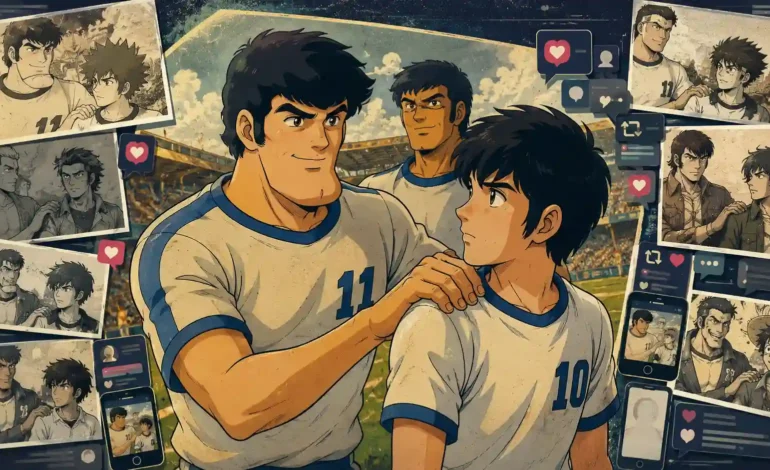
The Hand on Shoulder meme, also known as the Akakichi no Eleven redraw meme, is a popular anime reaction image based on a scene from the 1970s soccer anime Akakichi no Eleven. The original frame shows a large-chinned character placing his hand on another man’s shoulder while smiling. The gesture looks reassuring at first, but the expression and context give it a more ironic feeling.
The image began gaining attention among French users on X, formerly known as Twitter, in late 2023. After the original anime source was identified in January 2024, artists and anime fans quickly started recreating the scene with characters from other popular series.
The result was a large collection of redraws featuring characters from Dragon Ball, Naruto, Attack on Titan, Bleach, One Piece, Jujutsu Kaisen, and other franchises. The format became especially popular because the basic scene could be adapted to almost any situation involving defeat, bad news, disappointment, or an unfortunate outcome.
What Is the Hand on Shoulder Meme?
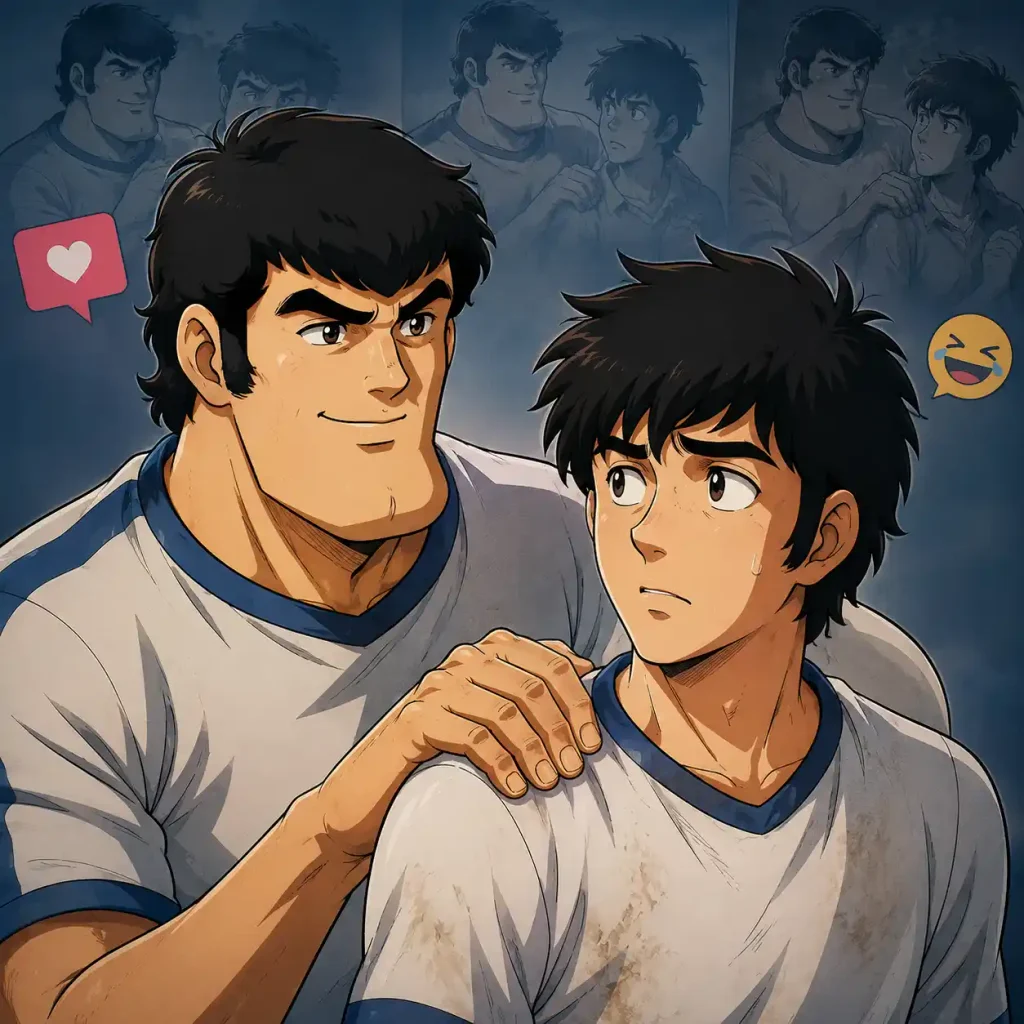
The Hand on Shoulder meme is a reaction image showing one character placing a hand on another character’s shoulder. The person receiving the gesture usually appears to be facing an unfavorable situation, while the character behind him appears calm or amused.
Online, the image is generally used as a humorous way of saying that someone is about to face a difficult outcome. Rather than offering serious emotional support, the meme usually delivers a playful message such as, “It is not looking good for you.”
This contrast is an important part of the meme’s appeal. A hand on someone’s shoulder normally suggests comfort, encouragement, or sympathy. In meme culture, however, the same gesture can become a humorous way of acknowledging that a situation has already gone badly.
The meme is therefore most effective in low-stakes situations. Someone might post it after a friend realizes they forgot an assignment, lost a game, missed an important opportunity, or made an unfortunate decision.
Where Does the Hand on Shoulder Meme Come From?
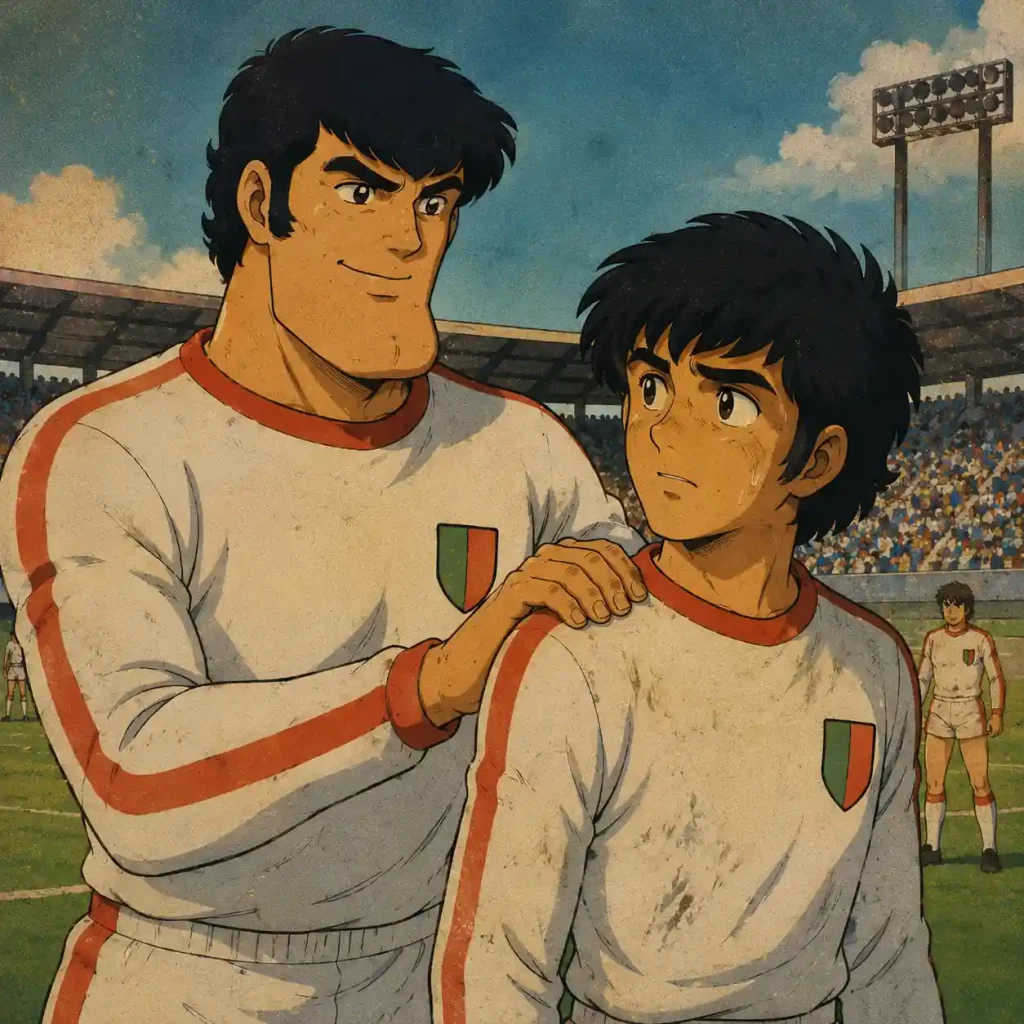
The original image comes from Akakichi no Eleven, a Japanese soccer anime from the 1970s. The series is centered around soccer and follows characters involved in competitive matches and the challenges surrounding the sport.
The meme image comes from a scene in the anime in which a large-chinned man places his hand on another character’s shoulder. Another character can also be seen nearby. The facial expressions and body language create the distinctive appearance that later became recognizable across social media.
Although the image eventually became known simply as the Hand on Shoulder meme, its connection to Akakichi no Eleven was not immediately obvious to people who first encountered it online.
For a period, many users shared the frame without knowing where it originated. Its simple composition made it easy to use as a reaction image, even when viewers had no knowledge of the original anime.
How the Meme Became Popular in France
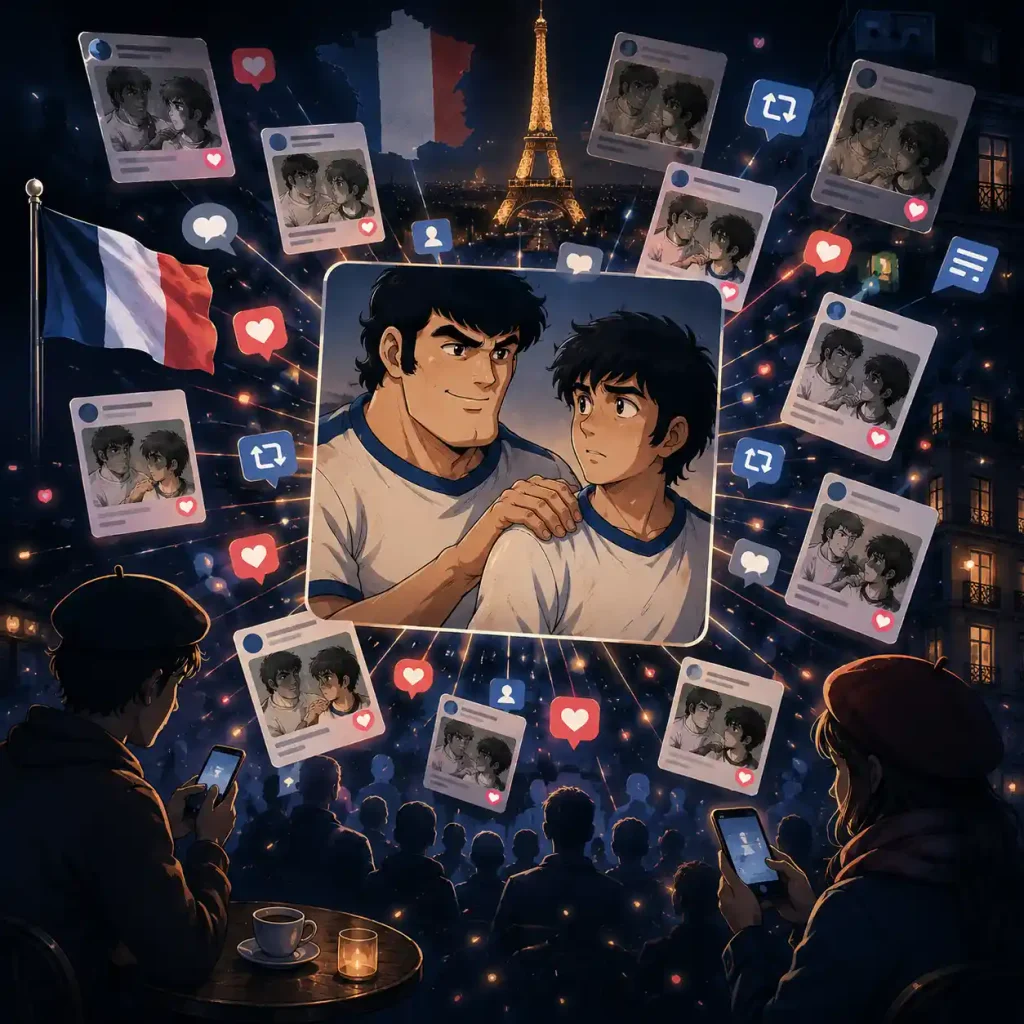
The image began circulating as a reaction image among French users on X during late 2023. One documented example appeared on November 24, 2023, when X user @latour0_ used the image in a post.
At this stage, the image was mainly being used as a reaction rather than as a full redraw trend. Its popularity came from the way the characters’ expressions could communicate a feeling without requiring much explanation.
The image could suggest sympathy, disappointment, resignation, or a humorous warning depending on the situation in which it was posted.
This flexibility helped the reaction image spread among users who may not have known its original source.
The Original Source Was Identified in January 2024
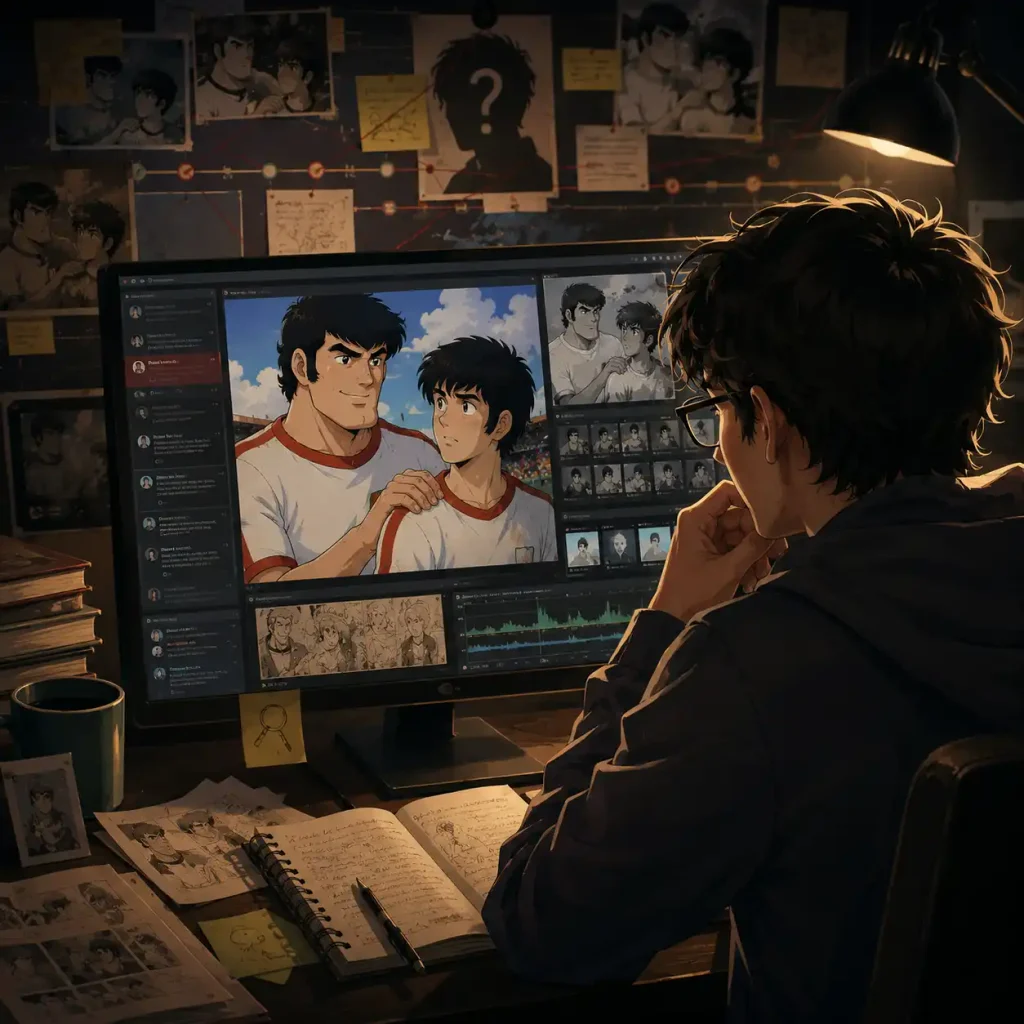
A major turning point came on January 5, 2024, when X user @FullSaphir investigated the origin of the image and discovered that it came from Akakichi no Eleven.
The post attracted significant attention, receiving more than 890 retweets and 6,400 likes within five days. More importantly, identifying the source gave users a clear template to work with.
Once people knew the image came from an anime, artists could begin recreating the composition with their favorite fictional characters.
The discovery effectively transformed the image from a simple reaction picture into a recognizable redraw format.
The Start of the Akakichi no Eleven Redraw Trend
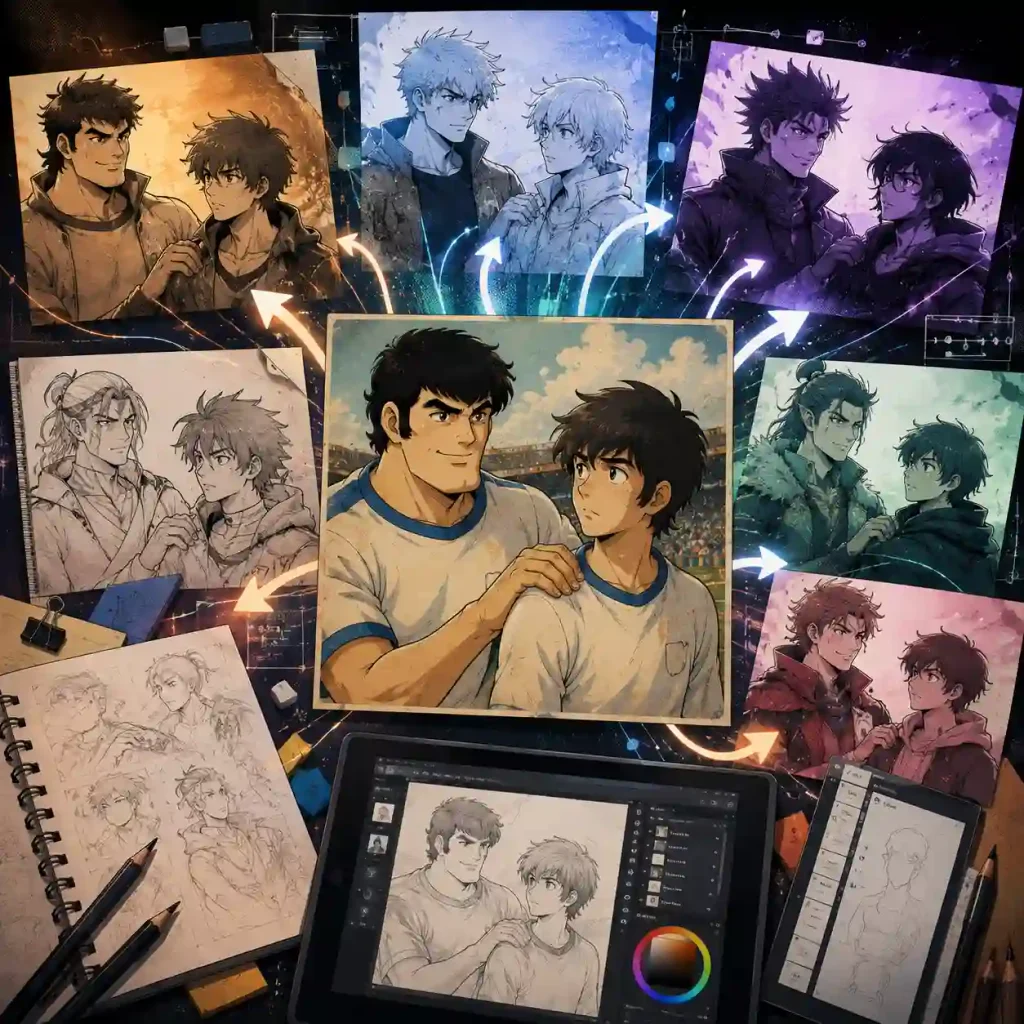
The redraw trend began almost immediately after the original source was identified.
On January 5, 2024, less than two hours after @FullSaphir’s discovery, X user @fh4dr posted a version featuring Dragon Ball characters. The redraw quickly became one of the most successful examples of the format, collecting more than 3,300 retweets and 25,000 likes within five days.
The success of the Dragon Ball version demonstrated how easily the original composition could be adapted to another fictional universe.
Instead of simply copying the original characters, artists could place recognizable characters into the same positions and recreate a familiar scene from their own fandom.
This gave the meme a second life. People were no longer only sharing the original image. They were creating new versions based on anime characters and fictional situations they already understood.
Popular Anime Redraws
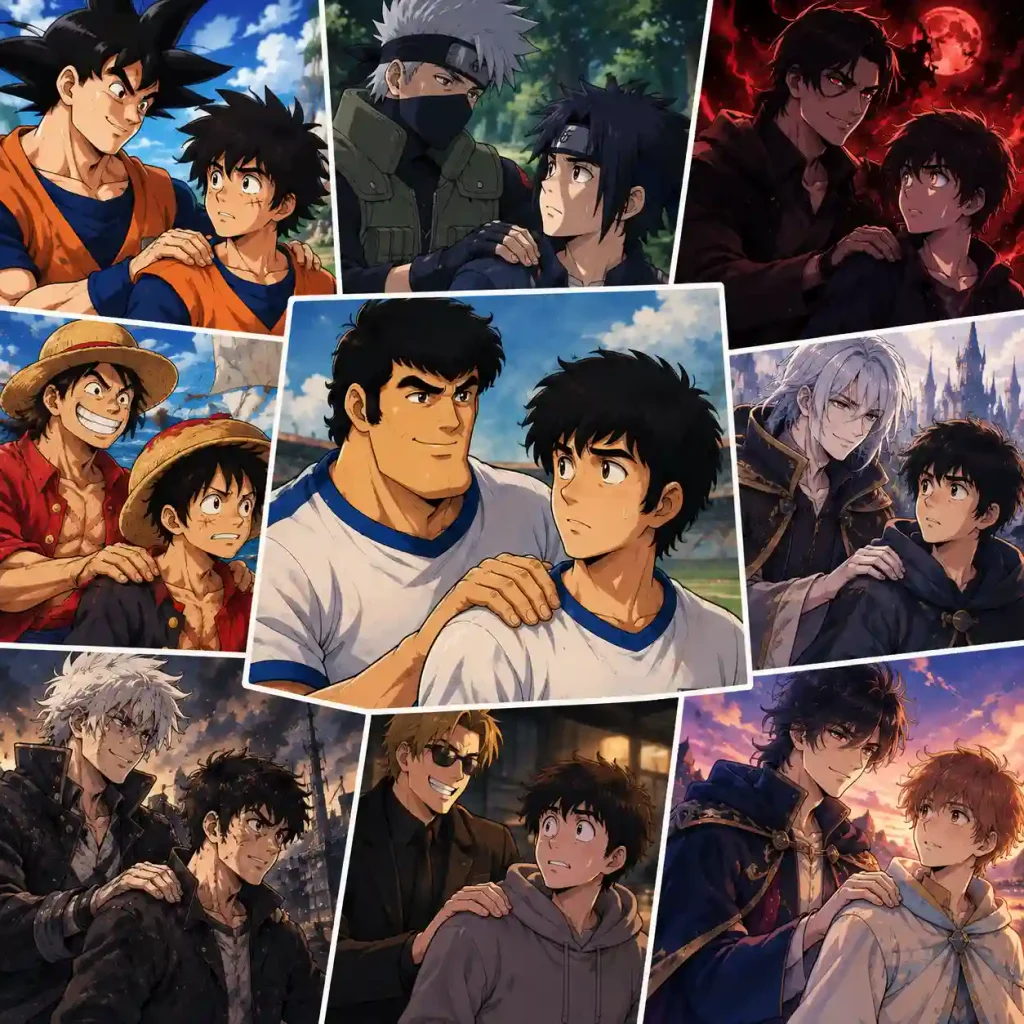
Several anime franchises became associated with the Hand on Shoulder meme as the trend spread.
Dragon Ball
The Dragon Ball redraw by @fh4dr became one of the most widely shared versions. Its strong engagement helped establish the format as a popular anime redraw template.
The popularity of Dragon Ball also made the format easy for fans to understand. Characters from the series can be placed into dramatic situations involving battles, defeat, or unexpected outcomes, which fit the meme’s humorous tone particularly well.
Naruto
On January 7, 2024, @fh4dr posted another redraw using Naruto characters. This version gained more than 1,200 retweets and 15,000 likes in three days.
The Naruto version showed that the meme was not limited to one franchise. Once the template became recognizable, fans could adapt it to different characters and scenes while keeping the same basic joke.
Attack on Titan
Another early redraw appeared on January 5, 2024, from X user @DItekki. The version featured Attack on Titan characters and received more than 650 retweets and 6,700 likes over five days.
The serious tone of Attack on Titan also created an interesting contrast with the playful nature of the meme format. Characters associated with dramatic situations could be placed into the familiar hand-on-shoulder composition to create a humorous interpretation.
Other Anime and Fictional Characters
As the trend continued, fans created versions featuring characters from Bleach, Jujutsu Kaisen, One Piece, Gintama, and other popular franchises.
Some redraws focused on specific moments from their respective stories. Others simply used recognizable character relationships to recreate the joke.
For example, Reddit users posted versions involving characters from Gintama, Sonic, and Jujutsu Kaisen. These examples demonstrate how the format moved beyond X and became part of wider anime meme culture.
Why Is the Meme So Funny?
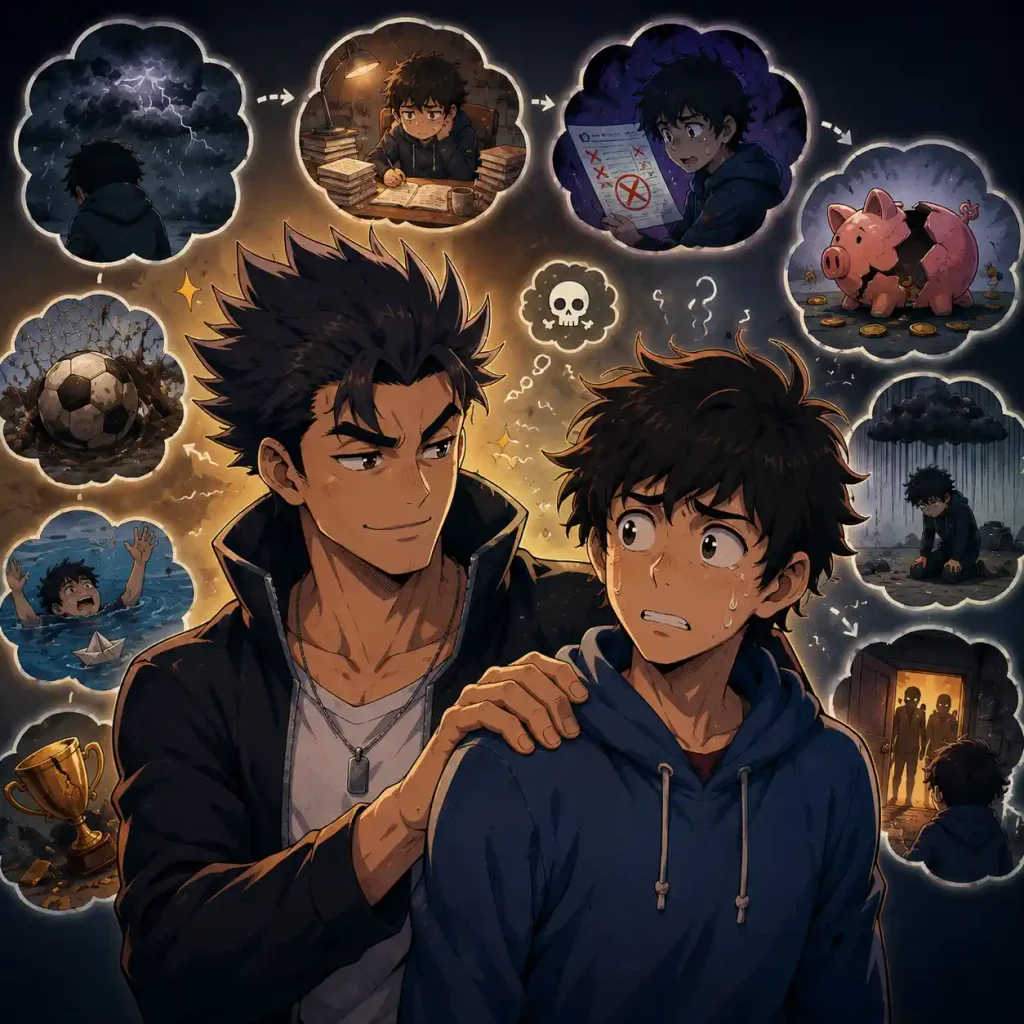
The humor of the Hand on Shoulder meme comes largely from contrast.
A hand placed on someone’s shoulder normally communicates support. In the meme, however, the gesture often means something closer to, “Unfortunately, this is your problem now.”
The smiling expression of the character giving the gesture adds another layer to the joke. Instead of looking genuinely concerned, the character can appear to know that the other person’s situation is already hopeless.
This makes the image useful for situations where someone needs sympathy but the circumstances are also funny enough to joke about.
For example, if a friend says they have an important exam tomorrow but have not studied, the meme can be used as a playful response. The image essentially communicates that their situation may not end well.
How to Use the Hand on Shoulder Meme
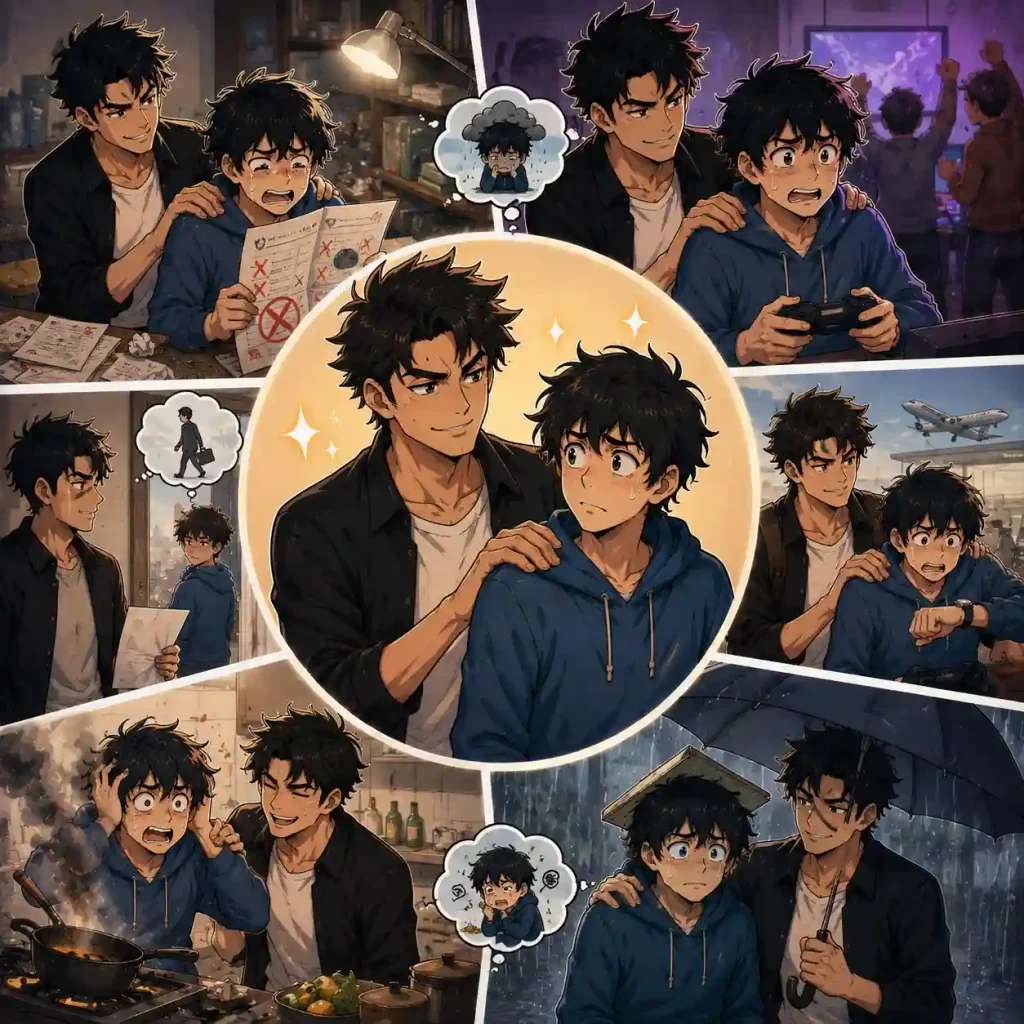
The meme works best when the situation has a clear negative or uncertain outcome.
You can use it when:
- A friend realizes they made a mistake.
- Someone has very little chance of winning.
- An expected plan suddenly falls apart.
- Someone receives disappointing news.
- A friend is facing an annoying situation.
- Someone realizes that an easy solution does not exist.
- A character in a fictional story is clearly heading toward trouble.
A short caption can make the joke even clearer. Phrases such as “It is not looking good, bro,” “We both know how this ends,” or “Nothing I can do now” can match the image without explaining the joke too much.
The meme is generally better suited to everyday frustrations and fictional situations than serious personal problems. Using a humorous reaction image when someone is genuinely dealing with grief, trauma, or another serious difficulty can come across as insensitive.
Why Redraws Became So Popular
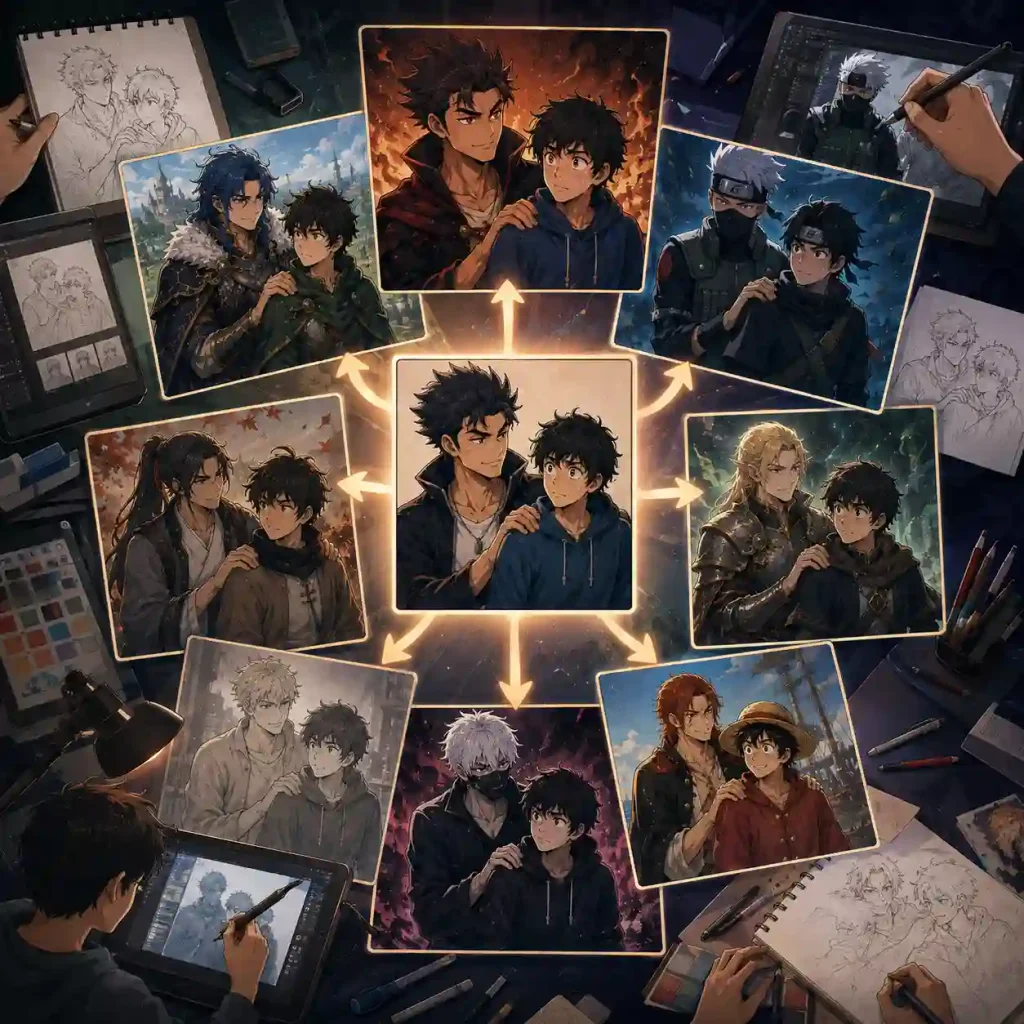
The biggest strength of the meme is its simple structure.
The original composition contains a small number of characters and a clear physical interaction. That makes it relatively easy for artists to recreate. They can keep the general positions of the characters while replacing their appearance with characters from another series.
The format also works across fandoms. A fan of Dragon Ball can recognize one version, while a Naruto fan can create another. The basic joke remains understandable even when the characters change.
This combination of simplicity, flexibility, and recognizable character relationships helped the format spread quickly.
It also gave artists an opportunity to add their own ideas rather than simply reposting an existing meme.
Read also: Little Girl Side Eye Meme: Baby, Blonde, White & Black Versions Explained
The Meme Across Social Media
Although the trend gained early attention on X, it did not remain limited to the platform.
Reddit communities began sharing and discussing different versions of the meme, while TikTok users later showcased collections of anime-related redraws.
One TikTok posted in September 2024 featured multiple versions of the format involving characters from different anime stories. This helped demonstrate how the meme had evolved from a single reaction image into a broader collection of fan-made variations.
The format’s spread across different platforms also changed how people encountered it. Some users saw the original image, while others first encountered a redraw featuring characters they already knew.
The Meaning Behind the Meme
The Hand on Shoulder meme can have several slightly different meanings depending on the context.
Most commonly, it means that someone is facing an unfavorable outcome and there is little that can be done about it.
It can also communicate playful sympathy. The person posting the image may understand that someone’s situation is frustrating while still finding the situation funny.
In some cases, the meme can simply represent resignation. The hand on the shoulder becomes a visual way of saying that the situation has already reached the point where the only response is to accept what happens next.
That flexibility is one reason the image works so well as a reaction meme.
Hand on Shoulder Body Language
Outside meme culture, placing a hand on someone’s shoulder can communicate several different things. It can be a sign of support, encouragement, reassurance, or familiarity.
The meaning depends heavily on the relationship between the people and the surrounding situation.
A friend might use the gesture to reassure someone who is nervous. A teammate might use it to encourage another player. In another situation, it could be a way of getting someone’s attention.
The meme takes this familiar gesture and gives it a humorous interpretation. Instead of simply saying that everything will be okay, the image often suggests the opposite: the situation may be difficult, and the person offering comfort already knows it.
How to Make Your Own Redraw
Creating a Hand on Shoulder redraw usually starts with the original composition as a reference.
Artists can identify the main positions of the characters, the placement of the arm and hand, their facial expressions, and the overall framing. They can then replace the original characters with characters from another series.
The strongest redraws usually preserve the recognizable structure of the original image while changing enough details to create a new joke.
For example, an artist might recreate the scene using characters involved in a famous battle, a surprising defeat, or an awkward moment from a popular anime.
The goal is not necessarily to copy every detail. Instead, the recognizable pose and relationship between the characters are what make the connection to the meme clear.
Conclusion
The Hand on Shoulder meme has an interesting history because it started as a frame from a relatively old Japanese soccer anime before becoming a modern reaction image and redraw template.
Its rise began among French X users in late 2023, but the identification of Akakichi no Eleven as the source in January 2024 helped push the format into a much larger anime meme trend.
Redraws featuring Dragon Ball, Naruto, Attack on Titan, Bleach, Jujutsu Kaisen, One Piece, and other franchises showed how adaptable the template could be.
At its core, the meme turns a familiar gesture of reassurance into a humorous acknowledgment that someone’s situation may not be going well. That simple idea makes it useful for everything from minor everyday problems to fictional anime scenarios.
More than just a reaction image, the Akakichi no Eleven redraw format became a creative template that allowed fans to combine recognizable characters, memorable story moments, and a simple visual joke into countless new variations.