Baby Boo Syndrome: The Full Story Behind TikTok’s Viral “Brain Rot” Trend
Introduction
If you have opened TikTok at any point in the last few weeks, chances are your For You page has been flooded with people twitching, jerking, and dancing in a strange, zombie-like way while a specific audio clip plays in the background. Captions like “Caught this girl with baby boo syndrome” accompany these clips, and the trend has spread so fast that it has become one of the biggest viral phenomena on the platform this year. This is Baby Boo Syndrome, and this article breaks down exactly where it came from, how it evolved, and why it has taken over TikTok.
What Is Baby Boo Syndrome?
Baby Boo Syndrome is a meme format built around a remix trend. In the videos, people are filmed appearing to twitch, convulse, or move erratically in a jagged, almost zombie-like manner while performing snippets of a dance known as the “Baby Boo dance.” The captions playfully claim that the person on screen has been afflicted with “baby boo syndrome,” turning an ordinary moment — sitting alone at a cafeteria table, riding a bus, or walking down a hallway — into a piece of absurdist comedy.
The audio behind most of these videos is a remix that blends “What You Is” by NBA YoungBoy with “White Ferrari” by Frank Ocean. The dreamy, melancholic instrumental of the Frank Ocean track combined with the repeated line “she gon’ call me baby boo” from the YoungBoy song creates a strange, hypnotic backdrop that perfectly matches the twitchy, exaggerated movements performers use in these clips.
Where Did the Baby Boo Trend Start?
To understand Baby Boo Syndrome, it helps to trace the trend back to its true origin point, months before the “syndrome” version ever existed.
The Original Dance Video
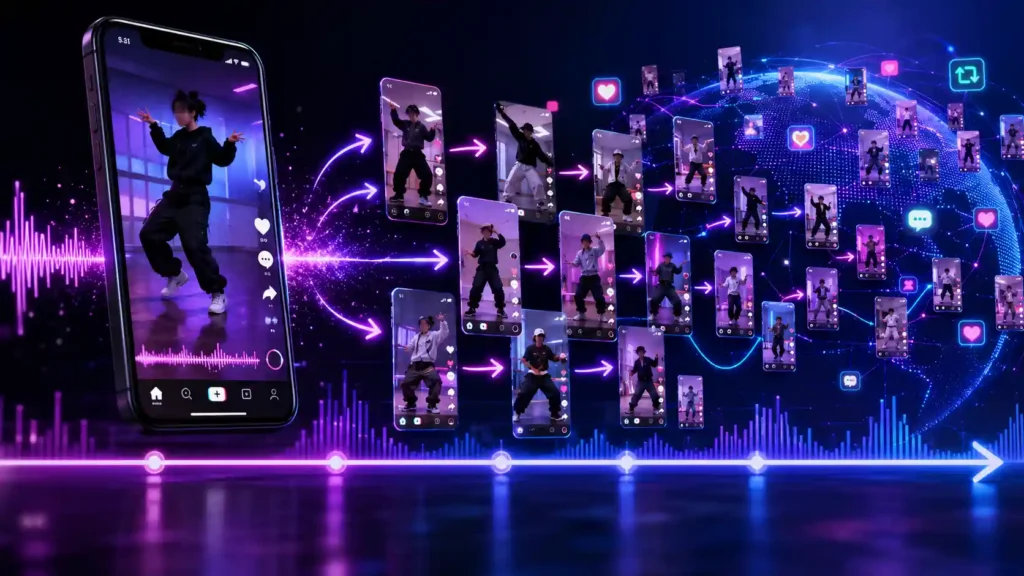
The foundation of the entire trend can be traced back to a dance video posted by TikTok creator @selenaaa.dta. In this early clip, she performed a simple dance to the moment in NBA YoungBoy’s “What You Is” where the lyric “she gon’ call me baby boo” plays. The video was a massive hit, racking up roughly a million likes and close to eleven million views. A large portion of the engagement came from viewers commenting on Selena being seen as a masculine-presenting lesbian and Asian creator, with many describing the combination as “rare.”
Encouraged by the response, Selena continued posting variations of the same dance to the same sound for months afterward. This repetition, paired with how silly and catchy the lyric snippet was, is exactly what allowed “baby boo” to transform from a single viral video into a full-blown internet meme. Compilation videos ranking her many baby boo clips helped keep the format circulating and exposed it to new audiences who then began making their own versions.
The Remix That Changed Everything
The next major turning point came when a new remix entered the picture. A TikToker known as @kkingmf posted a mashup combining “What You Is” with Frank Ocean’s “White Ferrari.” This remix quickly gained traction, pulling in more than 5.5 million views within just two weeks. The moody, slower Frank Ocean instrumental gave the trend a fresh, almost eerie sonic identity that set the stage for the “syndrome” twist that followed.
The Birth of “Baby Boo Syndrome”
A few days after the remix started gaining momentum, creator @yazimenz took the format in a completely new creative direction. She posted a video set to the “What You Is”/”White Ferrari” remix showing someone filmed twitching alone at a school cafeteria table, with the caption “Caught this girl with babyboo syndrome sitting alone.” The video exploded, earning more than 7.2 million views in just ten days.
This clip is widely credited as the true origin of Baby Boo Syndrome as its own distinct meme. It combined three key ingredients: the already-popular baby boo dance, the newly viral remix, and a fictional “syndrome” narrative framing that made the format instantly remixable. It also drew inspiration from another creator, @dabigback, whose earlier Baby Boo dance videos helped shape the movement vocabulary that later spread across the platform.
How the Trend Went Viral: The Spread of Baby Boo Syndrome
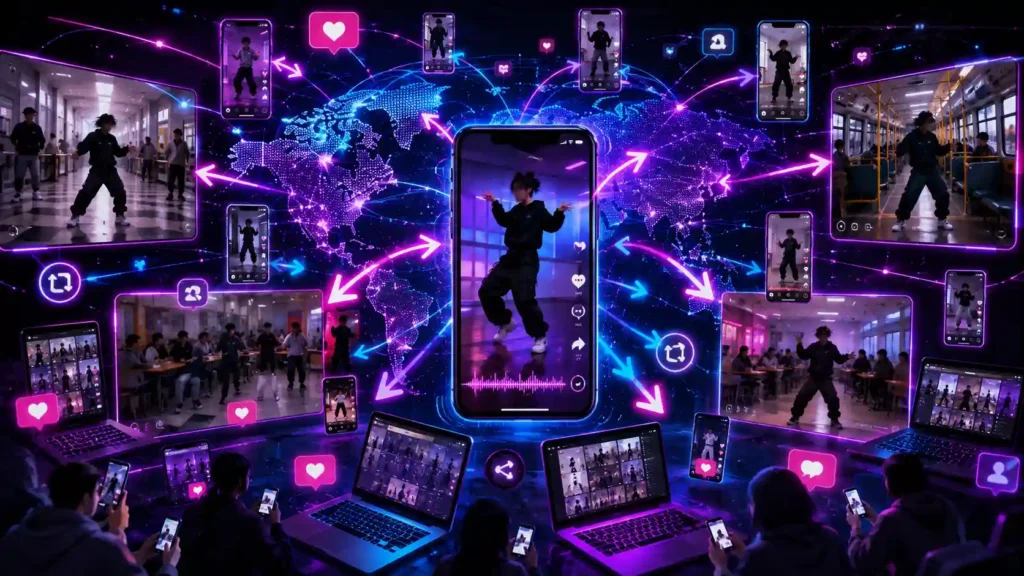
Once the “syndrome” framing caught on, it spread across TikTok at an extraordinary pace throughout February. Creators began applying the format to virtually any everyday setting, always following the same basic formula: someone filmed twitching or jerking in an unexpected public place, paired with a caption claiming they had been “caught” with baby boo syndrome.
A few standout examples show just how quickly the trend multiplied:
- On February 11th, creator @whosroyal2 posted a version showing someone dancing in a zombie-like state while walking through a hallway, captioned “Caught this boy with Babyboo syndrome walking the hallway.” That video gathered more than 4.7 million views in nine days.
- On February 15th, creator @girlwithdaburger shared a clip of herself twitching in a bus seat, captioned “I found this poor girl with baby boo syndrome sitting alone on the train…” This version pulled in over 5.4 million views in just five days.
- On February 19th, creator @dancemediaco took the format even further by producing a video edit that compiled numerous examples of the meme inside a mock news report, complete with a fake news anchor discussing the “spread and dangers” of Baby Boo Syndrome. This satirical spin earned more than 4.3 million views in a single day.
Beyond these individual videos, the trend also grew through compilation and ranking content, where creators would round up and rate the funniest or most creative baby boo syndrome clips circulating on the platform. This kind of secondary content — essentially memes about the meme — is part of what helped push Baby Boo Syndrome from a niche joke into a platform-wide phenomenon.
The TikTok Rizz Party: How a Random Sweet 16 Video Became an Internet Sensation
Beyond the Original Sound: How Creators Kept It Fresh
One of the reasons Baby Boo Syndrome managed to stay relevant for so long, rather than fading out after a week like most TikTok trends, is that creators kept finding new ways to remix the format itself. Some videos moved away from the original sound entirely, splicing the baby boo dance and “syndrome” caption format into completely unrelated audio, everything from classical music like Mozart to pop-culture references tied to shows like Stranger Things.
Others leaned into nostalgia, reviving older viral meme footage — such as clips of Fergie doing cartwheels while singing live — and dubbing over them with baby boo-style captions and lyrics. This willingness to mix the format with unrelated sounds and old internet memes is a big part of why the trend felt so unpredictable and endlessly shareable, since no two versions looked quite the same even though they all followed a recognizable structure.
Why Did Baby Boo Syndrome Go So Viral?
A few factors help explain why this particular trend caught on so widely:
- A strong musical hook. The “she gon’ call me baby boo” lyric is short, catchy, and easy to associate with a specific dance movement, making it simple for anyone to imitate regardless of dancing skill.
- Low barrier to entry. Unlike complex choreography trends, the twitchy, jagged “syndrome” movement style is easy to replicate almost anywhere, whether that’s a classroom, a bus, or a hallway.
- A built-in narrative device. Framing the videos as though someone has been “caught” with a fictional syndrome gave the format instant comedic structure and made it feel like a mini prank or documentary-style bit rather than just a dance clip.
- Constant remixing. Because creators kept applying the format to new songs, settings, and old memes, the trend avoided feeling stale, which extended its lifespan well beyond a typical viral cycle.
- Compilation and ranking culture. Videos that gathered and ranked the best baby boo syndrome clips acted as a feedback loop, exposing the format to fresh audiences and encouraging even more submissions.
The Bigger Picture
Baby Boo Syndrome is a good example of how modern internet trends rarely appear out of nowhere. What looked like a sudden explosion of “brain rot” content in February 2026 was actually the result of a much longer chain of events stretching back roughly five months, starting with a single dance video, evolving through a popular remix, and finally crystallizing into a shareable meme format once the “syndrome” framing was introduced. Each stage built on the one before it, and each new creator who joined added their own twist, which is ultimately what allowed the trend to keep growing instead of dying out after a few days.
Conclusion
Baby Boo Syndrome shows just how fast a small, silly idea can snowball into a full-blown internet phenomenon on TikTok. From a single dance video set to an NBA YoungBoy lyric, to a moody remix with Frank Ocean, to a viral “syndrome” narrative that spread across millions of videos, the trend captures everything that makes TikTok’s meme ecosystem so unpredictable and fast-moving. Whether it eventually fades out or continues mutating into new formats, Baby Boo Syndrome has already cemented itself as one of the platform’s most talked-about trends of the year.