Side Eye: Meaning, Origin, Memes, and How It Became a Viral Internet Expression
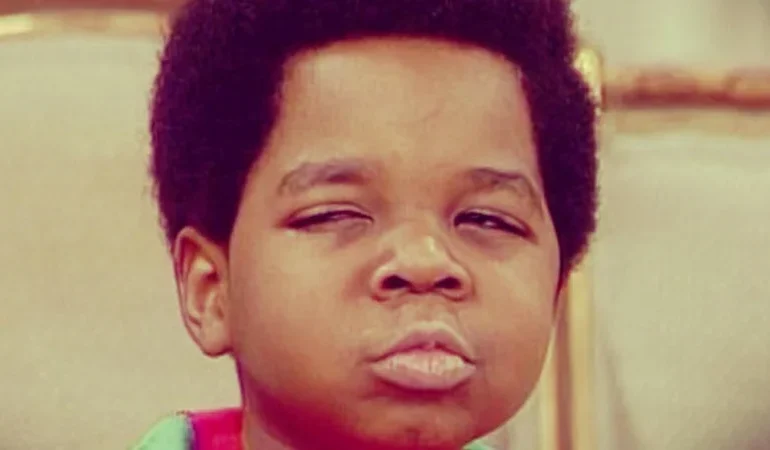
Side eye is one of the most recognizable expressions in modern internet culture. It usually describes a sideways glance given without turning the head, often to show doubt, suspicion, annoyance, disapproval, jealousy, or disbelief. Depending on the situation, a simple side eye can communicate an entire reaction without saying a single word.
The expression became especially popular through memes, reaction images, social media posts, and viral videos. Although many people associate side eye with modern TikTok and meme culture, the phrase itself has a much longer history.
From its early documented use to famous viral moments involving celebrities and the rise of TikTok trends, side eye has developed into a common part of everyday online communication.
What Does Side Eye Mean?

Side eye refers to looking at someone or something from the corner of your eyes while keeping your head mostly in the same position.
The expression can communicate several different emotions, including:
- Suspicion
- Disbelief
- Annoyance
- Disapproval
- Jealousy
- Confusion
- Sarcasm
- Judgment
- Distrust
- Mild curiosity
The exact meaning depends heavily on the situation and facial expression.
For example, if someone makes an obviously unrealistic statement, another person might respond with a side eye to show that they do not believe it. Similarly, someone may give their friend a side eye after hearing an embarrassing comment.
Online, side eye is often used as a humorous reaction. Instead of writing a long response, people can simply share a side-eye GIF, image, or meme to communicate, “Really?” or “Are you serious?”
Why Is Side Eye So Popular?
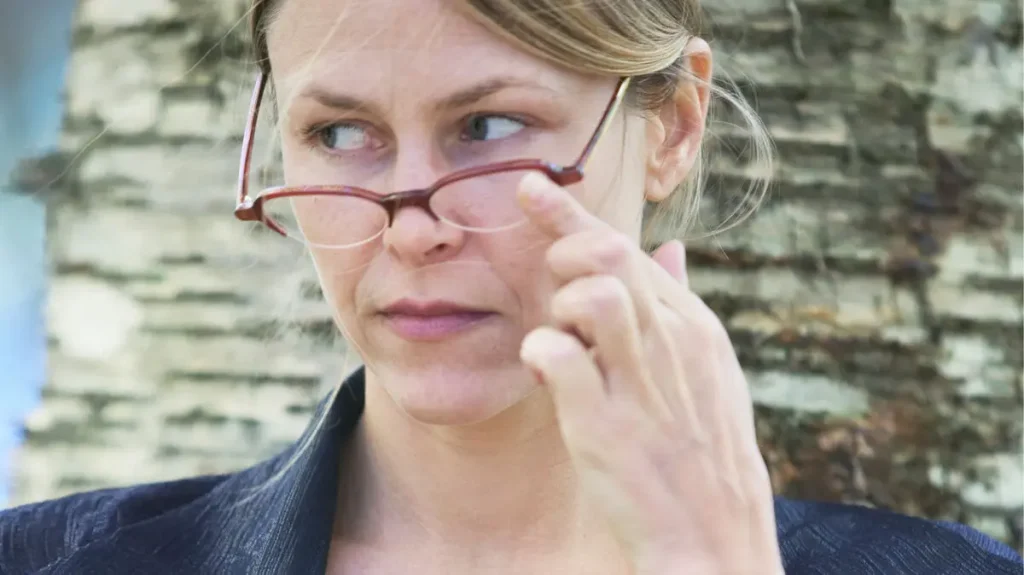
The popularity of side eye comes from how easily the expression communicates an emotion.
Internet users frequently need quick ways to respond to posts, conversations, or situations. A side-eye reaction works because it is visually understandable even without additional explanation.
It can also be used in many different contexts. Someone can use side eye as a serious expression of doubt, while another person can use exactly the same reaction as a joke.
Social media platforms helped make the expression even more popular. Memes, GIFs, reaction images, TikTok videos, and short-form content turned side eye into a recognizable internet language.
The Early History of the Term
Although side eye feels like a modern social media expression, the phrase has been around for centuries.
One of the earliest known documented uses appeared on March 19, 1797, in the periodical Rememberancer for Lord’s Day Evenings. The phrase was used in a context involving a negative or disapproving look.
This early example is important because it demonstrates that the concept behind side eye existed long before modern social media, smartphones, or internet memes.
The meaning has changed slightly over time, but the basic idea remains familiar: looking sideways can communicate a reaction without directly confronting someone.
Side Eye in Literature
The expression also appeared in literature long before it became an internet catchphrase.
In 1922, Irish writer James Joyce used the phrase in his famous novel Ulysses. The appearance of the expression in such an influential literary work shows that side eye was already recognizable as a descriptive term in English.
While the phrase was not being used as a modern meme at the time, its basic meaning was connected to a sideways look.
Over the following decades, side eye continued to appear in different forms of communication. Eventually, the phrase became much more prominent in popular culture as photographs and video made facial reactions easier to share.
Side Eye Becomes an Internet Reaction
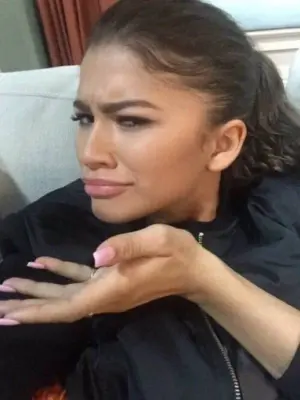
The modern popularity of side eye is closely connected to reaction images and memes.
Before social media became dominated by short videos, internet users commonly communicated through reaction pictures and GIFs. A facial expression could become a meme when people repeatedly used the same image to represent a particular emotion.
Side-eye expressions were especially useful because they could represent many situations.
A person might use a side-eye image when:
- Someone tells an obvious lie
- A friend makes a strange decision
- A social media post seems suspicious
- Someone says something embarrassing
- A person is acting hypocritically
- A situation becomes awkward
- Someone makes an unbelievable claim
This flexibility helped side eye become a standard reaction across social platforms.
Side-Eyeing Chloe
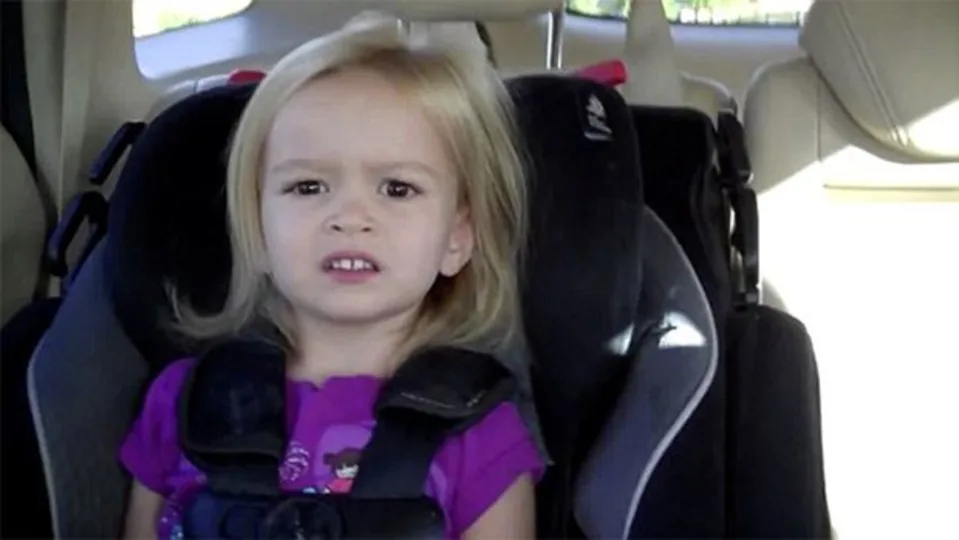
One of the most famous examples of side eye in internet culture is Chloe Clem, commonly known online as Side-Eyeing Chloe.
In September 2013, a YouTube video titled “Lily’s Disneyland Surprise… AGAIN” showed sisters Lily and Chloe reacting to the news of a surprise Disneyland trip.
Lily became emotional after learning about the trip, while Chloe briefly appeared on camera with a confused and somewhat unimpressed facial expression.
That short facial reaction quickly became more memorable than the original video for many internet users.
The image of Chloe looking sideways became a widely shared reaction image and GIF. People began using the expression to represent disbelief, confusion, awkwardness, or judgment.
What made the image successful was its simplicity. Chloe did not need to say anything. Her facial expression immediately communicated a reaction that many people could relate to.
Why Side-Eyeing Chloe Became a Meme
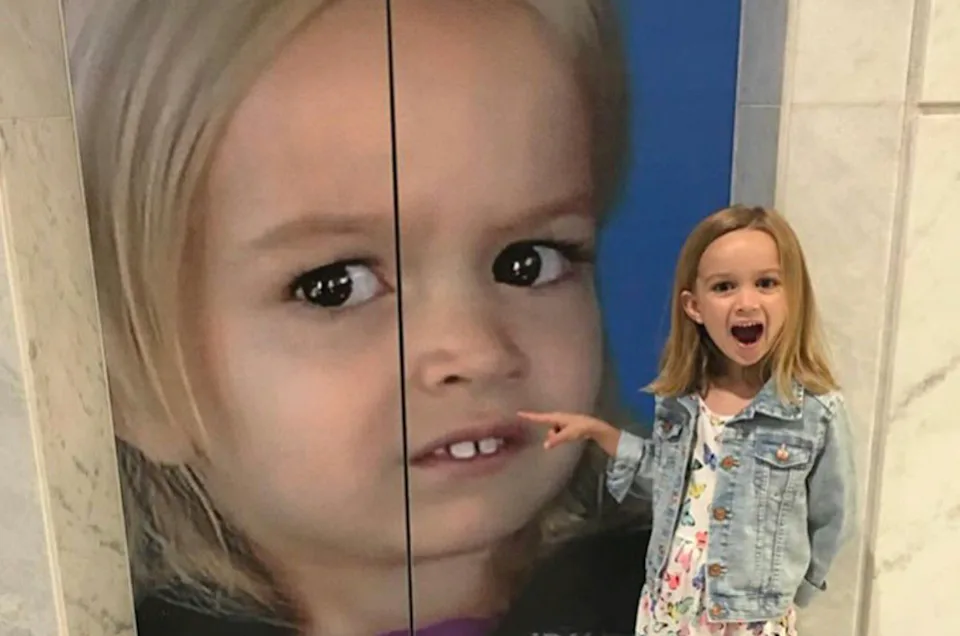
The Chloe reaction became popular because it could be applied to almost any situation.
Internet users could place the image next to a caption about an awkward conversation, an unbelievable statement, or a ridiculous situation. The facial expression worked as a universal reaction.
This is one of the reasons reaction memes become successful: the original context may disappear, but the emotion represented by the image remains useful.
Chloe’s expression eventually became recognizable even among people who had never watched the original Disneyland video.
The image was also used commercially. In 2017, Chloe’s Instagram account shared a version of the image associated with a Google advertisement, showing how a viral reaction could move beyond ordinary meme culture and become part of mainstream digital marketing.
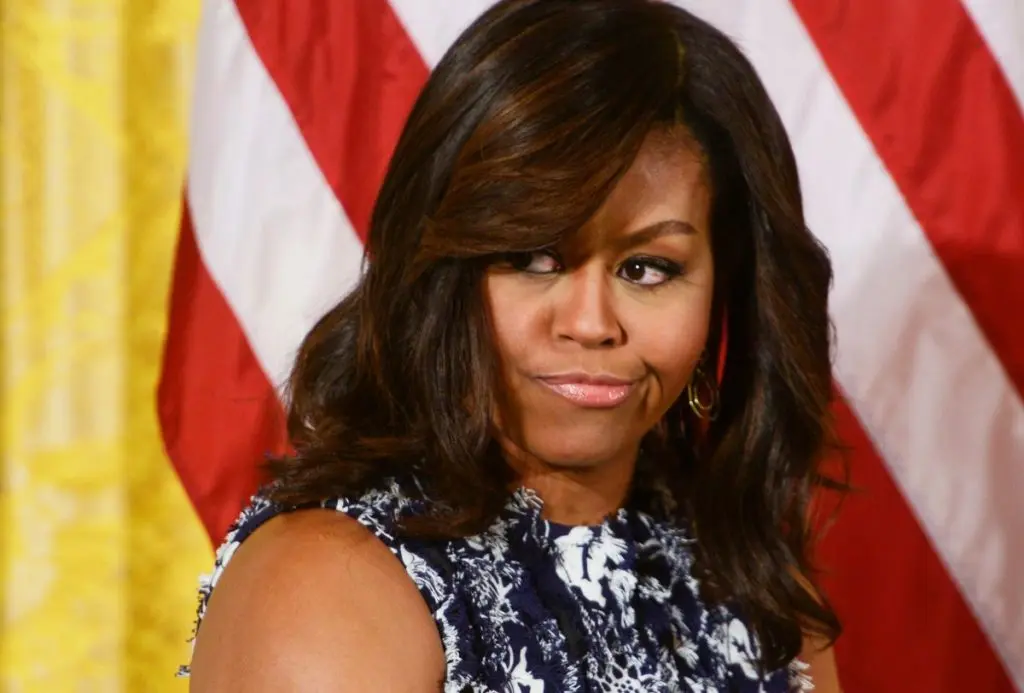
Side-Eyeing Michelle Obama
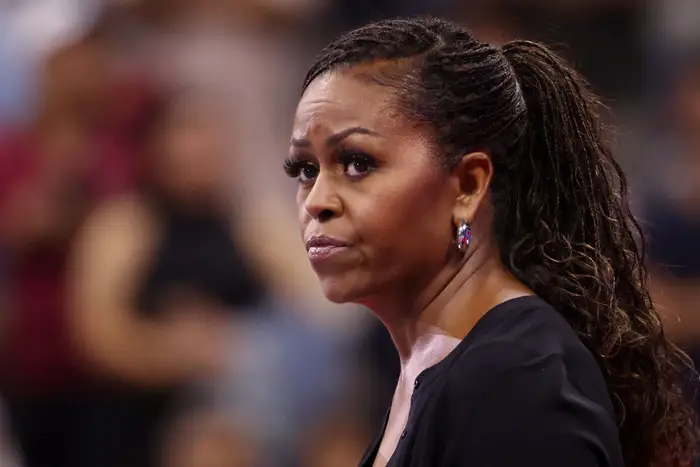
Another widely discussed side-eye moment happened during the 2017 presidential inauguration.
On January 20, 2017, Donald Trump and Melania Trump presented Michelle Obama with a Tiffany gift box during the inauguration events. Michelle Obama appeared briefly confused about what to do with the box and looked toward a nearby camera.
The moment was quickly captured and shared across social media.
Many internet users interpreted her expression as a side eye, and the image became part of the broader collection of inauguration memes.
The moment received attention because facial expressions from public figures are often closely examined during major events. A brief glance can become a meme when millions of people are watching and sharing images online.
The Michelle Obama moment demonstrated how quickly a real-life facial expression can become internet humor.
Read also: Hello There: The Obi-Wan Kenobi Meme, Origin, History and Meaning
Kim Yo Jong’s Side Eye at Mike Pence
Another notable example occurred during the 2018 Winter Olympics.
During the event, Kim Yo Jong, the sister of North Korean leader Kim Jong Un, was seen standing near U.S. Vice President Mike Pence. A brief sideways glance was captured on video and subsequently shared on social media.
The clip attracted attention because users interpreted the expression as a side eye.
The moment was later discussed by major media outlets, which helped push the reaction beyond ordinary social media conversations.
This example shows how side eye can become particularly powerful when it appears during a politically or culturally significant event. A short facial reaction can become a humorous symbol once internet users attach captions and interpretations to it.
Side Eye and the Rise of TikTok
The meaning of side eye became even more widespread with the growth of TikTok and short-form video content.
TikTok made it possible for users to turn small phrases, facial expressions, sounds, and reactions into global trends. Side eye naturally fit this format because it is visual, simple, and easy to reproduce.
In January 2023, a clip from TikTok creator Cynthia Mmasi became associated with a viral audio in which she humorously repeated a phrase involving “side eye.”
The sound was quickly reused by thousands of other TikTok creators.
Instead of simply using a side-eye image, creators began acting out situations where a sideways glance was the punchline. This gave the expression a new life among younger social media users.
How the Side Eye TikTok Trend Worked
The TikTok trend often followed a simple formula.
A creator would describe a situation that was strange, annoying, embarrassing, or unbelievable. The video would then use the side-eye sound or facial reaction to emphasize the punchline.
This format worked because viewers immediately understood the emotion.
For example, a creator could make a video about a parent misunderstanding an argument between siblings. Another creator might use the trend to joke about a friend repeatedly saying the same annoying phrase.
The possibilities were almost unlimited.
As more creators used the same audio, the phrase became recognizable even outside its original context.
Why TikTok Helped Side Eye Go Mainstream
TikTok’s algorithm played an important role in spreading side-eye content.
A trend does not need to begin with a famous celebrity or large media company. A relatively small creator can upload a short video, and if viewers respond positively, the sound or format can spread rapidly.
Side eye was perfect for this environment because:
- The reaction is easy to understand.
- The expression does not require complicated language.
- Creators can adapt it to different situations.
- The reaction works well with short videos.
- Users can recreate it without special equipment.
As a result, side eye became more than a phrase. It became a reusable format for internet humor.
Side Eye in Modern Meme Culture
Today, side eye is commonly used across social media platforms, including TikTok, Instagram, Facebook, X, YouTube, and messaging apps.
It is often represented through:
- Side-eye memes
- Reaction GIFs
- Short videos
- Screenshots
- Celebrity photos
- Animated reactions
- Funny captions
- TikTok sounds
The expression is especially useful when someone wants to communicate skepticism without directly saying anything.
For example, a simple image of someone looking sideways can effectively mean:
“I don’t believe you.”
It can also mean:
“What are you doing?”
Or:
“You really said that?”
The flexibility of the expression is one of the main reasons it continues to survive across different generations of internet culture.
Side Eye vs. Other Facial Reactions
Side eye is sometimes confused with other facial expressions, but there are subtle differences.
A side eye generally involves looking sideways without completely turning the head.
A stare usually involves looking directly at someone for an extended period.
A glare is normally more intense and communicates anger or hostility.
A side glance can be neutral and does not necessarily communicate judgment.
Side eye, however, often carries an implied emotional message. It can be playful, suspicious, sarcastic, or judgmental depending on the situation.
How People Use Side Eye in Everyday Conversations

The phrase is no longer limited to memes.
People regularly use “side eye” in casual conversations to describe someone’s reaction.
For example:
- “She gave me the biggest side eye.”
- “That comment deserved a side eye.”
- “I’m giving this whole situation side eye.”
- “Why are you side-eyeing me?”
- “The side eye was enough to explain everything.”
The expression has become part of everyday internet-influenced language, particularly among younger audiences.
It can even be used as a verb. Someone might say they are side-eyeing a person, statement, product, trend, or situation.
Why Side Eye Works So Well as a Meme
The success of side eye comes down to one simple idea: facial expressions are universal.
People do not always need words to understand that someone is skeptical or annoyed. A sideways glance can communicate the emotion instantly.
Memes take that natural human reaction and make it reusable.
A single facial expression can be paired with hundreds of different captions. This gives side-eye memes a huge advantage over jokes that depend entirely on a specific piece of text or cultural reference.
The expression can also be serious or humorous, depending on how it is presented.
That combination of simplicity, flexibility, and emotional clarity has allowed side eye to remain relevant for years.
The Evolution of Side Eye
The history of side eye shows how language can evolve through culture.
The phrase existed in written English long before the internet. It later appeared in literature, entered everyday language, and eventually became strongly associated with reaction images and memes.
The rise of social media transformed it again.
First, side-eye photographs became popular reaction images. Then viral celebrity moments gave the expression more visibility. Finally, TikTok turned side eye into a reusable audio and video trend.
This evolution demonstrates how an ordinary expression can become a major part of internet culture.
Final Thoughts
Side eye is much more than a simple sideways glance. It has become a widely recognized way to express suspicion, disbelief, annoyance, sarcasm, confusion, and judgment without saying anything.
Although the phrase has a documented history dating back centuries, modern internet culture transformed it into a powerful meme and reaction format.
From Side-Eyeing Chloe to viral celebrity moments and TikTok trends, side eye has repeatedly found new audiences on the internet. Its continued popularity comes from its simplicity: one look can say what an entire paragraph cannot.
As social media continues to evolve, side eye will likely remain a familiar part of online communication because the reaction behind it is universal, instantly recognizable, and endlessly adaptable.