The Startup People-Ops Playbook: Build Simple Systems Before Growth Gets Messy

Key Takeaways
- Simple, repeatable people-operations processes are more useful than a complex system no one follows.
- Documenting hiring, onboarding, pay, leave, and employee-data practices early reduces confusion as the team grows.
- Technology should eliminate duplicate work, protect sensitive information, and give leaders reliable visibility.
- Tools and processes should fit the company’s current stage while leaving room for new employees, locations, and work arrangements.
Startup founders often begin with informal systems because a small team can solve problems in conversation. That approach can work briefly, but it becomes harder to manage when hiring accelerates. A practical foundation, supported by HR software built for startups, can help turn recurring people tasks into clear workflows rather than founder-dependent routines.
The goal is not to recreate a large company’s HR department. It is to create a reliable operating system for the employee journey, from the first interview through offboarding, while keeping administrative work proportionate to the business.
Table Of Contents
- Why People-Ops Matters Early
- What To Put In Place Before The First Hire
- Core Processes Every Startup Needs
- Building A Lean Technology Stack
- What Changes At Each Growth Stage
- Reducing Compliance Risk
- Improving The Employee Experience
- Metrics That Matter
- A 90-Day Implementation Plan
- Common Mistakes To Avoid
Why People-Ops Matters Early

People operations is the practical work of helping employees join, contribute, get paid, develop, and leave the business through consistent processes. At five employees, a founder may remember every agreement. At 30 employees, spreadsheets, inboxes, and personal reminders can create missed approvals, inconsistent answers, and incomplete records.
For example, a startup that adds several employees in a short period may discover that onboarding access, equipment, tax forms, and manager introductions all depend on different people. A shared checklist makes responsibilities visible and reduces the chance that a new hire starts without what they need.
What To Put In Place Before The First Hire
Before making the first offer, establish a lightweight operating framework. Start with written job descriptions, role expectations, a consistent interview process, offer-letter procedures, a pay schedule, time-off rules, confidential employee records, and a basic onboarding checklist. Assign an owner to each task, even if one person initially owns several tasks.
Keep the framework easy to find and easy to update. A policy hidden in an old email is not a dependable policy. Centralizing documents also makes it easier to provide employees and managers with the same information.
The Core Processes Every Startup Needs
- Hiring: Define the role, evaluate candidates against consistent criteria, and preserve key hiring records.
- Onboarding: Coordinate access, equipment, training, introductions, and early goals before the employee’s first day.
- Payroll and benefits: Maintain accurate pay details, deductions, eligibility dates, and enrollment information.
- Time and leave: Use one dependable process for hours, absences, approvals, and schedule changes.
- Performance: Give managers a simple cadence for goals, feedback, and documented check-ins.
- Offboarding: Remove access, recover property, address final-pay requirements, and retain needed records.
How To Build A Lean People-Ops Technology Stack
Choose the fewest systems that support accurate work. A lean stack usually covers employee information, payroll, time and leave, recruiting, benefits, document signatures, onboarding, and reporting. Not every startup needs a separate tool for every category on day one.
Questions To Ask Before Adding A Tool
- Does it solve a specific, recurring problem?
- Does it reduce duplicate entry across payroll, finance, scheduling, or recruiting?
- Can employees and managers complete routine tasks without extensive training?
- Does it offer appropriate permissions, security controls, support, and data-export options?
- Will it still work when the company adds employees, contractors, or locations?
What Changes At Each Growth Stage
One To 10 Employees
Prioritize accurate records, dependable payroll, basic policies, and consistent onboarding. Avoid unnecessary approval layers.
11 To 30 Employees
Standardize hiring, time off, manager check-ins, and common employee requests. Replace fragile spreadsheets with shared systems and review access permissions.
31 To 75 Employees
Formalize onboarding, clarify manager responsibilities, and begin reviewing compensation, benefits, and development practices on a regular schedule.
More Than 75 Employees
Improve integrations, approval workflows, reporting, and workforce planning. This is often the point at which dedicated people-operations roles or specialist support becomes valuable.
How To Reduce Compliance Risk
Software can support compliance, but it does not replace sound policies, human review, or professional advice. Classify workers carefully, limit access to sensitive data, document policy acknowledgments, and review requirements when expanding into new jurisdictions. The IRS explains that employee or contractor status depends on the facts of the working relationship, rather than on a label alone.
Accurate pay and time records matter as well. For covered nonexempt workers, federal rules require employers to maintain certain wage and hours information, and the Department of Labor outlines the records employers may need to keep regarding hours worked and wages earned. State and local rules can impose additional obligations, so seek qualified guidance for decisions affecting a specific workforce.
How Better Systems Improve The Employee Experience
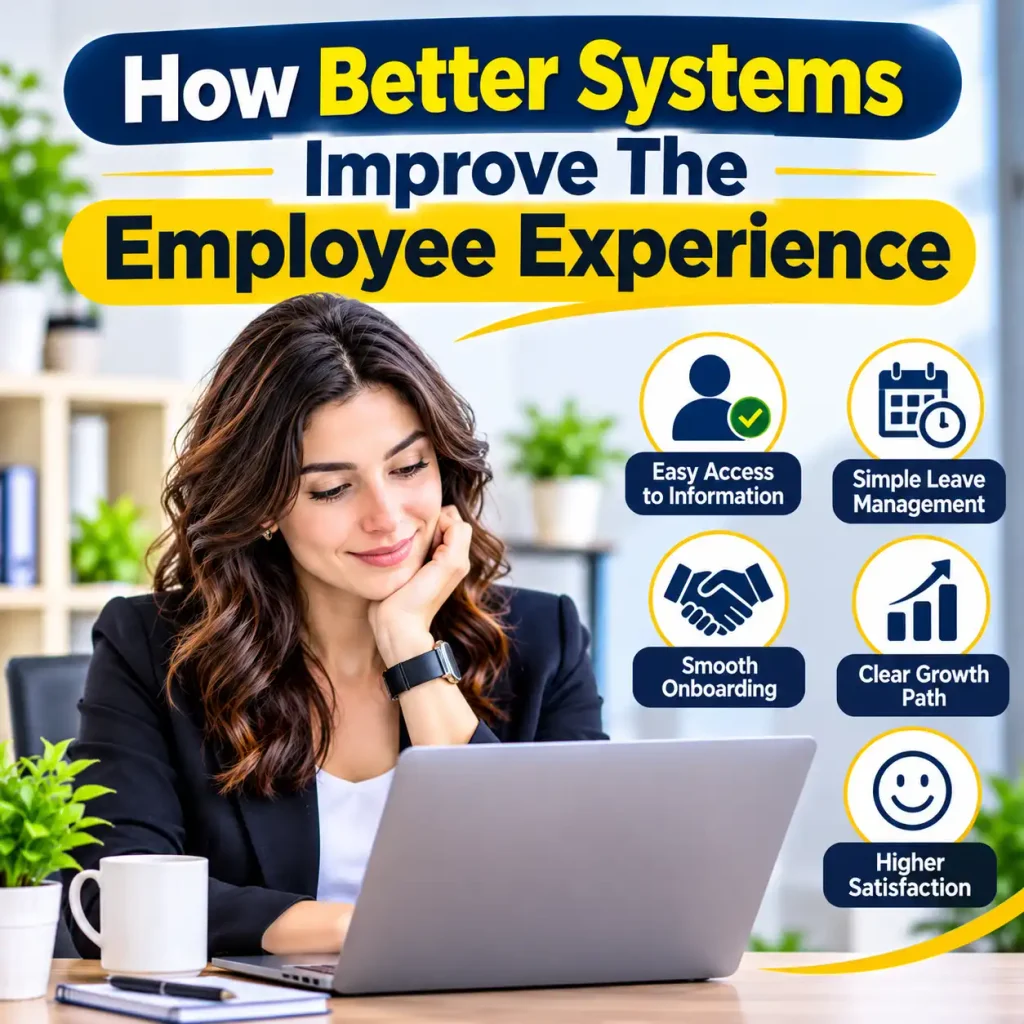
Good systems make routine work feel more predictable. Employees can find information on pay, benefits, and leave. Managers can see request status without searching through messages. New hires receive the same core welcome, tools, and expectations regardless of who is available that week.
Consider two similar startups. One relies on personal reminders, so onboarding varies by manager. The other uses a shared workflow with named owners and due dates. The second company is more likely to deliver a consistent experience, especially during rapid hiring.
Metrics That Help Leaders Make Better Decisions
Measure only what will inform an action. Useful starting metrics include time to fill a role, time from accepted offer to start date, onboarding completion, payroll corrections, turnover, leave patterns, training completion, manager participation in reviews, and labor cost by function. Review trends and context, not isolated numbers.
A 90-Day Implementation Plan
Days 1 To 30: Map The Work
List recurring people tasks, identify delays and duplicate effort, assign owners, and separate urgent fixes from later improvements.
Days 31 To 60: Build The Basics
Centralize employee records and policies, create hiring through offboarding checklists, set approval rules, connect essential systems, and train managers.
Days 61 To 90: Review And Improve
Collect feedback, examine recurring questions and errors, remove low-value steps, choose a small set of metrics, and schedule quarterly process reviews.
Common Mistakes To Avoid
- Waiting for a serious issue before documenting a routine process.
- Buying software for features that do not address a real operating need.
- Giving broad access to confidential employee information.
- Overlooking contractors, part-time workers, and distributed employees.
- Assuming automation eliminates the need for human review.
- Failing to plan for data cleanup or migration when systems change.
Final Thoughts
Strong people operations does not need to be complicated. Clear ownership, accurate records, simple workflows, and tools that match the company’s stage can reduce administrative friction today while giving the business a foundation for tomorrow’s growth.
Read also: Different Types of Settlements You Can Reach With a Texas Eminent Domain Attorney