How Healthcare Workers Can Report Suspected Billing Fraud

Key Takeaways
- Billing fraud may involve claims for services not provided, inflated codes, unnecessary care, false records, or improper referral payments.
- An isolated mistake is not automatically fraud. Repeated conduct, concealment, and pressure to submit inaccurate claims are more serious warning signs.
- Workers should document facts carefully while protecting patient privacy and following lawful workplace procedures.
- Internal compliance channels, government hotlines, licensing agencies, and legal counsel can serve different purposes.
- A formal whistleblower case has different procedural requirements than simply submitting a tip.
Accurate healthcare billing protects patients, public programs, private insurers, and honest providers. When a claim does not match the care provided, the consequences can extend beyond financial loss. Improper billing can distort medical records, create pressure for unnecessary services, and reduce trust in the healthcare system. Workers who see concerning patterns may be unsure whether they are looking at a simple coding error or intentional misconduct. For people considering their options, https://ifightforyourrights.com/whistleblower-lawyer/healthcare-fraud/ provides information about healthcare fraud whistleblower concerns and the steps that may follow a report.
What Healthcare Billing Fraud Can Look Like

Suspected fraud generally involves intentional deception connected to a claim for payment. In contrast, an error may result from an incorrect code selection, incomplete training, or a misunderstanding of a billing rule. The facts, the pattern of conduct, and the response after the issue is identified can help distinguish one from the other. Common examples of questionable billing practices include billing for appointments or procedures that never occurred, assigning a higher-paying code than the documentation supports, splitting services that should be billed together, or submitting claims for equipment and tests without a clear medical basis. Other concerns may include altered records, claims submitted under a provider who did not provide required supervision, or benefits offered in exchange for patient referrals.
Errors, Abuse, and Fraud: Important Differences
Intent often matters. A staff member who selects the wrong code once, corrects it promptly, and receives additional training may have made an error. A practice that repeatedly uses aggressive coding or questionable billing methods may raise concerns about abuse, even if the intent is unclear. Fraud concerns become more substantial when someone knowingly directs staff to bill for services not provided, hides information, or changes records to support a false claim.
- Possible error: A claim contains an incorrect code that is corrected after review.
- Possible abuse: A provider regularly uses billing practices that increase reimbursement without clear support.
- Possible fraud: A supervisor instructs employees to submit claims that do not reflect the care delivered.
Warning Signs That Merit a Closer Look
One unusual claim does not necessarily prove misconduct. Workers should focus on recurring patterns and discrepancies they can identify through their normal job duties. Red flags can include pressure to meet unrealistic billing goals, frequent use of the highest-level service code, appointment schedules that do not match submitted claims, copied or incomplete notes, and patients who deny receiving billed services. Other warning signs include orders signed by clinicians who did not evaluate the patient, referral arrangements tied to unexplained gifts or payments, and managers who discourage routine questions about documentation. These facts should be recorded accurately without making assumptions about anyone’s motive.
Read also: How to Choose a Dentist Who Fits Your Care, Budget, and Daily Routine
How to Document a Concern Safely
- Record the facts. Note dates, locations, departments, names, and the specific activity observed.
- Keep a timeline. Write down when the concern arose, who was notified, and how the organization responded.
- Identify relevant records. List claim numbers, schedules, policies, emails, contracts, or audit findings that may help investigators evaluate the issue.
- Separate observations from conclusions. State what you saw, heard, or reviewed instead of speculating about intent.
- Protect confidential information. Do not send patient records to personal email accounts or remove files without appropriate guidance.
What Not to Do When Gathering Information
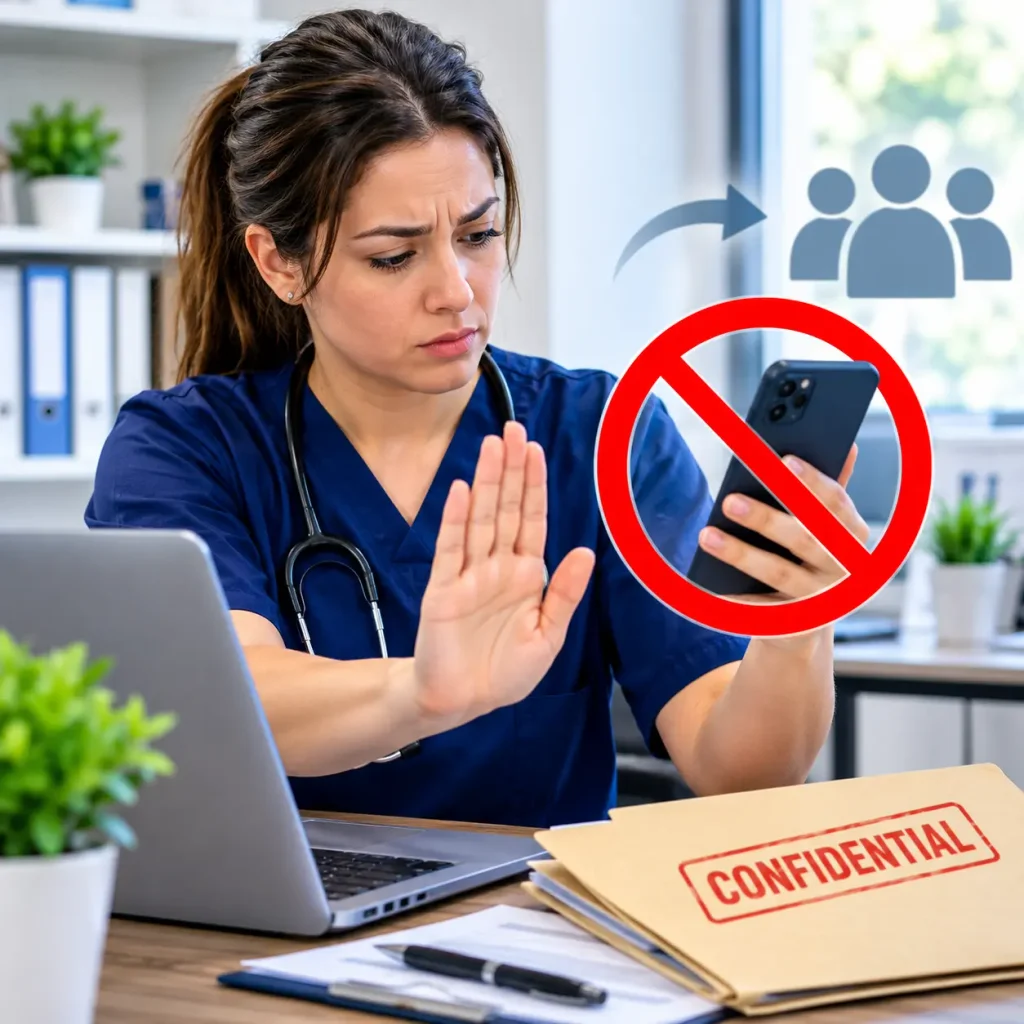
Good intentions do not eliminate privacy, cybersecurity, or employment obligations. Do not access records outside the scope of your job, alter official documents, hack systems, remove large databases, or share patient information on social media. A report is generally more credible when it explains how the information was lawfully obtained and preserves the original context. If the concern involves Medicare, Medicaid, or another HHS program, workers can use authorized channels to report suspected fraud, waste, or abuse. The strongest submissions typically identify the people or entities involved, explain the conduct, specify the timeframe, and list potential supporting materials.
Internal and External Reporting Options
There is no single reporting path that fits every situation. An internal compliance office or audit department may be appropriate when the organization has a credible process, and the worker feels safe raising concerns. State professional licensing boards may be relevant when the issue involves clinical conduct, and state Medicaid Fraud Control Units may handle matters involving Medicaid provider fraud. External reporting may be appropriate when public healthcare funds are involved, patient safety is at risk, or internal leadership appears connected to the conduct. Legal advice may also be important when a worker is concerned about retaliation, protected health information, or the possibility of filing a formal claim.
How a Formal Whistleblower Claim Differs From a Tip
A tip can alert an organization or government agency to possible wrongdoing. A formal whistleblower lawsuit is different. Under certain circumstances, the False Claims Act permits private individuals to bring claims on the government’s behalf when false claims are allegedly submitted to the federal government. These cases can involve detailed filing requirements, confidentiality rules, and deadlines. Timing may matter because an earlier filing, public disclosure, or duplicate allegation can affect available options. Anyone considering a formal claim should seek timely, individualized legal guidance before taking action.
Retaliation Risks and Practical Planning
Workers who raise concerns may worry about termination, reduced hours, exclusion from meetings, poor evaluations, reassignment, or pressure to resign. Preserve lawful copies of employment records such as performance reviews, schedules, job descriptions, and communications about material changes in duties. Keep communications factual and professional. Avoid public accusations, threats, or broad distribution of confidential information. If workplace treatment changes soon after a report, document the dates, decision-makers, stated reasons, and any related communications.
What May Happen After a Report
After receiving a report, an organization or agency may assess whether it has jurisdiction and whether the information is sufficiently specific for review. Investigators may compare billing data with patient files, schedules, payment records, contracts, and witness accounts. The matter may be closed, referred elsewhere, handled through repayment or compliance measures, or develop into a civil or criminal investigation.
Final Checklist for a Responsible Report
- Describe firsthand facts with clear dates and examples.
- Identify the payer, program, provider, or department involved when known.
- Explain why a claim, order, or record appears inconsistent.
- Preserve information lawfully and protect patient privacy.
- Avoid exaggeration, speculation, and unsupported accusations.
- Seek prompt advice when retaliation, confidential records, or a formal legal claim may be involved.
Conclusion
Healthcare workers are often in the best position to notice billing practices that do not match the care patients received because they regularly interact with treatment records, service documentation, insurance claims, and administrative procedures. Discrepancies involving services that were never provided, inaccurate billing codes, duplicate charges, or unsupported medical-necessity statements may warrant closer review, although an error does not automatically establish fraud. Before raising a concern, workers should document what they personally observed, identify relevant dates and transactions, and distinguish confirmed facts from assumptions or information shared by others. Any supporting evidence must be handled carefully, particularly when patient records, medical histories, or other confidential information are involved. A factual, organized, and privacy-conscious report can help investigators understand the issue without exposing unnecessary personal information or overstating what the available evidence shows. Healthcare professionals should also consider the appropriate internal or external reporting channel and maintain records of relevant communications. When the situation involves sensitive documents, workplace pressure, possible retaliation, or uncertainty about legal protections, thoughtful planning and qualified professional guidance can help clarify available options and create a safer path forward.





1 Comment
[…] Read also: How Healthcare Workers Can Report Suspected Billing Fraud […]