Used Vehicle Buying Checklist: How to Inspect a Car Before You Sign
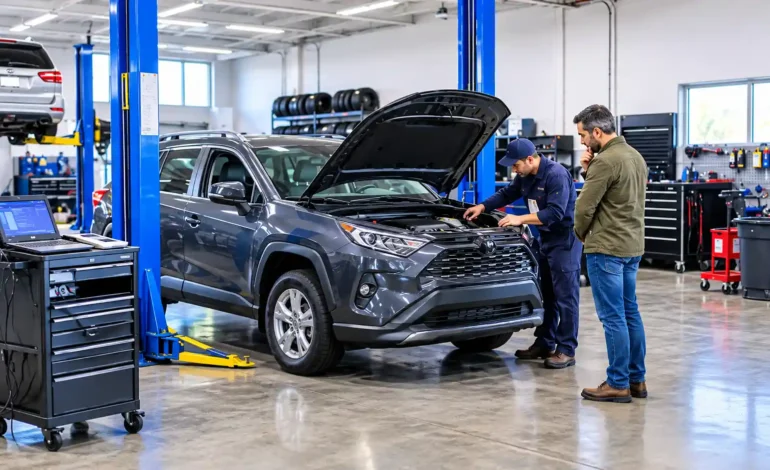
Table Of Contents
- Why A Checklist Matters
- Set A Realistic Budget
- Review The Listing Before You Visit
- Check The VIN And Vehicle History
- Look For Open Recalls
- Inspect The Vehicle In Person
- Take A Proper Test Drive
- Get An Independent Inspection
- Review The Paperwork
- Calculate The Total Cost
- Red Flags That Call For A Walk-Away
- Final Checklist Before You Pay
Buying a used vehicle can be a smart way to control costs, but a clean exterior and a persuasive listing do not confirm that the car is mechanically sound. Before focusing on a specific model, review its known patterns, such as this GMC Terrain recall and defect history, and compare that information with the individual vehicle’s records.
A practical checklist helps you slow down, ask consistent questions, and compare the price, mileage, condition, and paperwork as a complete picture. The goal is not to diagnose every possible issue yourself. It is to identify concerns early enough to investigate them or walk away.
1. Why A Checklist Matters

Used vehicles vary widely, even when they share the same year, trim, and mileage. A structured review keeps sales language from replacing evidence. Treat appearance, maintenance history, title status, mechanical behavior, and total price as related factors. If one part does not match the rest, ask why.
2. Set A Realistic Budget
Look Beyond The Sticker Price
Your purchase budget should include sales tax, registration, insurance, dealer fees, financing charges, and likely initial service. Compare a loan’s monthly payment with the total amount paid over the full term. A lower payment can still mean a more expensive loan.
Estimate Ownership Costs
Research fuel requirements, insurance quotes, tire prices, parts availability, and routine service needs. Keep a repair reserve for items a used vehicle may need soon, including fluids, brakes, tires, batteries, or worn suspension components.
3. Review The Listing Before You Visit
Compare the asking price with similar local vehicles, then study the listing for clear photos of the exterior, interior, tires, engine bay, and, when available, the underside. Ask why the owner is selling, how long they have owned it, and whether service records are available. Request the VIN before scheduling a visit. Vague claims such as “runs great” are not a substitute for documentation.
4. Check The VIN And Vehicle History

A vehicle history report can reveal reported title brands, salvage records, insurance losses, ownership changes, mileage entries, and some accidents or service events. Compare the VIN on the dashboard, door-jamb label, title, and purchase documents. Also, compare the recorded mileage with the odometer readings and receipts. Long gaps or unexplained mileage changes deserve follow-up questions.
A report is useful, but it cannot prove that a vehicle has no hidden damage. It should support, rather than replace, a close inspection and an independent mechanic’s evaluation.
5. Look For Open Recalls
Check the VIN for unresolved safety recalls before purchase. The FTC’s used-car guidance explains that buyers can use a VIN to research a vehicle’s history and identify open safety recalls. A recall concerns a safety-related defect, while a service campaign may address a manufacturer issue that is not formally classified as a recall.
Ask whether recall work has been completed and request repair paperwork if the seller says it was. A seller who will not share the VIN leaves you unable to verify basic information, which is a reason to pause the transaction.
6. Inspect The Vehicle In Person
Exterior, Tires, And Interior
Look for uneven panel gaps, mismatched paint, overspray, cracked lights, windshield damage, and rust around wheel arches, door bottoms, liftgates, and underbody components. Check tire tread and uneven wear, confirm that the tires match in size and general condition, and look for damaged wheels or visible fluid leaks.
Inside, test the air conditioning, heater, windows, locks, lights, cameras, audio system, and seat belts. Before starting the engine, confirm that dashboard warning lights illuminate during the bulb check. Watch for damp carpet, water stains, musty odors, or missing spare-tire equipment.
7. Take A Proper Test Drive
- Start the engine cold when possible and listen for extended cranking, ticking, knocking, or rattling.
- Drive in traffic, on local streets, and at higher speeds when conditions allow.
- Test acceleration, braking, steering, reverse, parking, and transmission response.
- Turn off the radio and listen for vibrations, grinding, pulling, harsh shifts, or unusual suspension noise.
8. Get An Independent Inspection
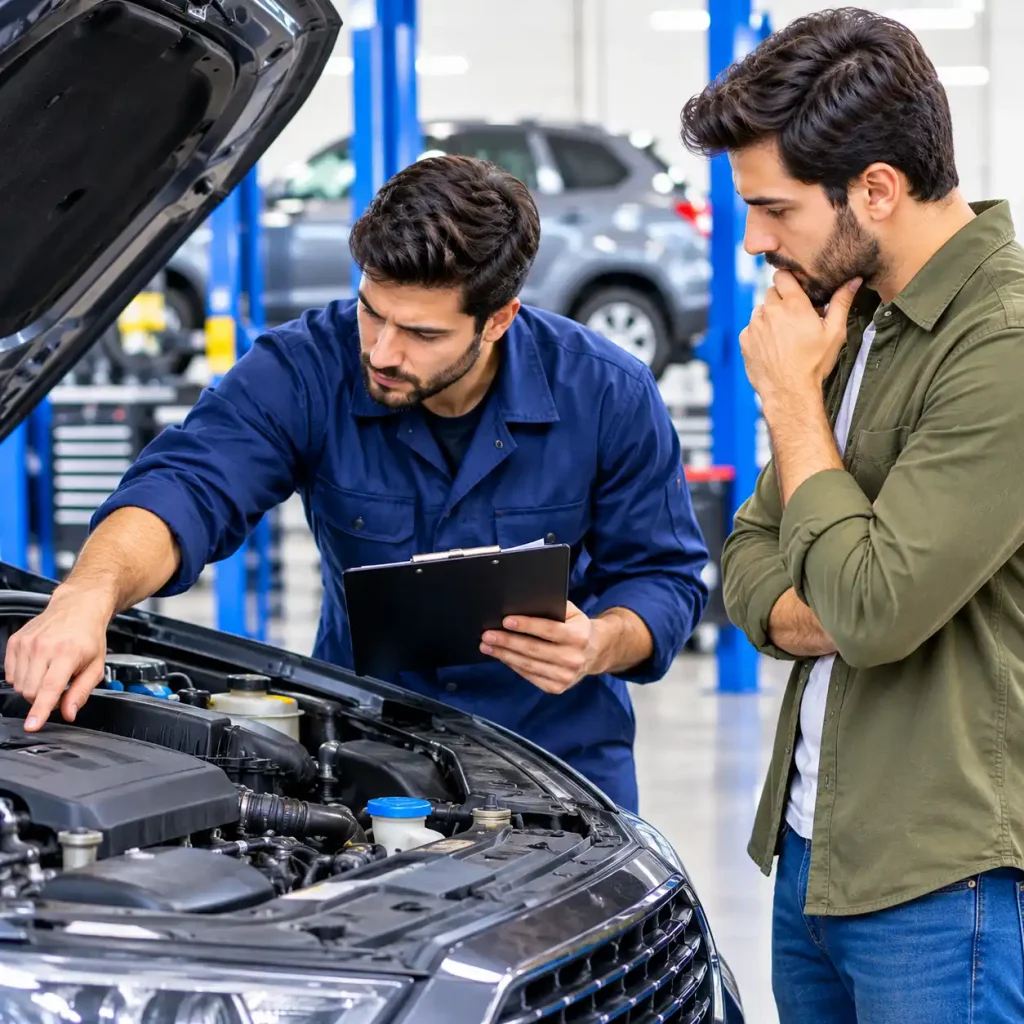
An independent mechanic can identify leaks, stored diagnostic codes, brake wear, cooling-system concerns, accident repairs, and drivetrain problems that may not appear during a short drive. Follow used-car inspection advice by choosing a shop that does not work for the seller and requesting a written report with repair estimates. A reasonable seller should allow this step.
9. Review The Paperwork
Read the title carefully and confirm that the seller’s name matches it. Review the buyer’s guide, purchase agreement, warranty terms, financing documents, and itemized fees. Make sure promised repairs, included accessories, and delivery conditions are written into the contract. Do not sign documents containing blank spaces or unexplained add-ons.
10. Calculate The Total Cost
Add the purchase price, taxes, fees, insurance, financing, immediate repairs, and expected maintenance for the next year. A vehicle with a higher asking price but consistent service records and fewer immediate needs may cost less overall than a cheaper vehicle with deferred maintenance.
11. Red Flags That Call For A Walk-Away
- The seller refuses to provide the VIN, title, or access to the inspection.
- The title is missing, altered, or does not match the seller.
- The price is unusually low without a credible explanation.
- The vehicle is warm on arrival, and the seller cannot explain why.
- Warning lights, flood signs, serious rust, or poor collision repairs appear.
- The seller pressures you to leave a deposit immediately.
12. Final Checklist Before You Pay
- Match the VIN on the vehicle, title, report, and purchase documents.
- Review history, recall status, test-drive notes, and inspection results.
- Confirm every promised repair in writing.
- Verify the final out-the-door price and all fees.
- Keep copies of the contract, title documents, receipts, and inspection report.
Conclusion
A careful used-car purchase does not require expert mechanical knowledge. It requires preparation, clear questions, reliable records, a thorough test drive, and the patience to leave when the facts do not add up. A few deliberate steps before signing can help prevent expensive surprises after the sale.
Read also: Target Company URL Research: A Practical Guide to Finding Official Business Websites