Why Are Your Energy Bills Rising Even Though Your HVAC System Still Works?
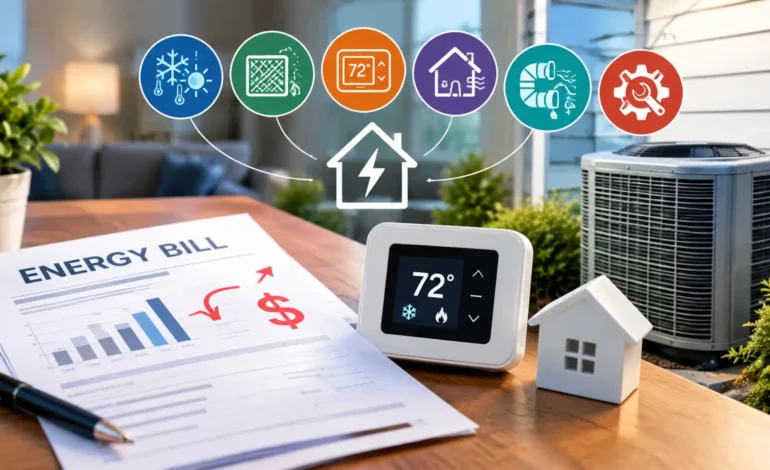
An increase in your energy bill can be confusing when your heating and cooling system appears to be working normally. The furnace still produces heat, the air conditioner still cools the rooms, and there may be no obvious signs of a breakdown. Yet your household energy costs continue to rise.
This can happen for several reasons. Changes in weather, thermostat settings, airflow, home insulation, and equipment condition can all affect how much energy a home uses. Understanding these factors can help you investigate the problem and identify practical ways to manage energy consumption.
Changes in Outdoor Temperatures
Weather has a direct influence on household heating and cooling needs. During a particularly cold winter, a furnace may need to operate longer to maintain the desired indoor temperature. During a heat wave, an air conditioner may run more frequently to remove unwanted heat.
Consequently, higher energy bills do not automatically mean that your HVAC system has developed a fault.
Compare your recent bills with previous periods that experienced similar weather. If outdoor temperatures were significantly different, this may explain some of the increase.
You should also consider changes in household occupancy, time spent at home, and heating or cooling preferences.
Dirty Air Filters and Restricted Airflow
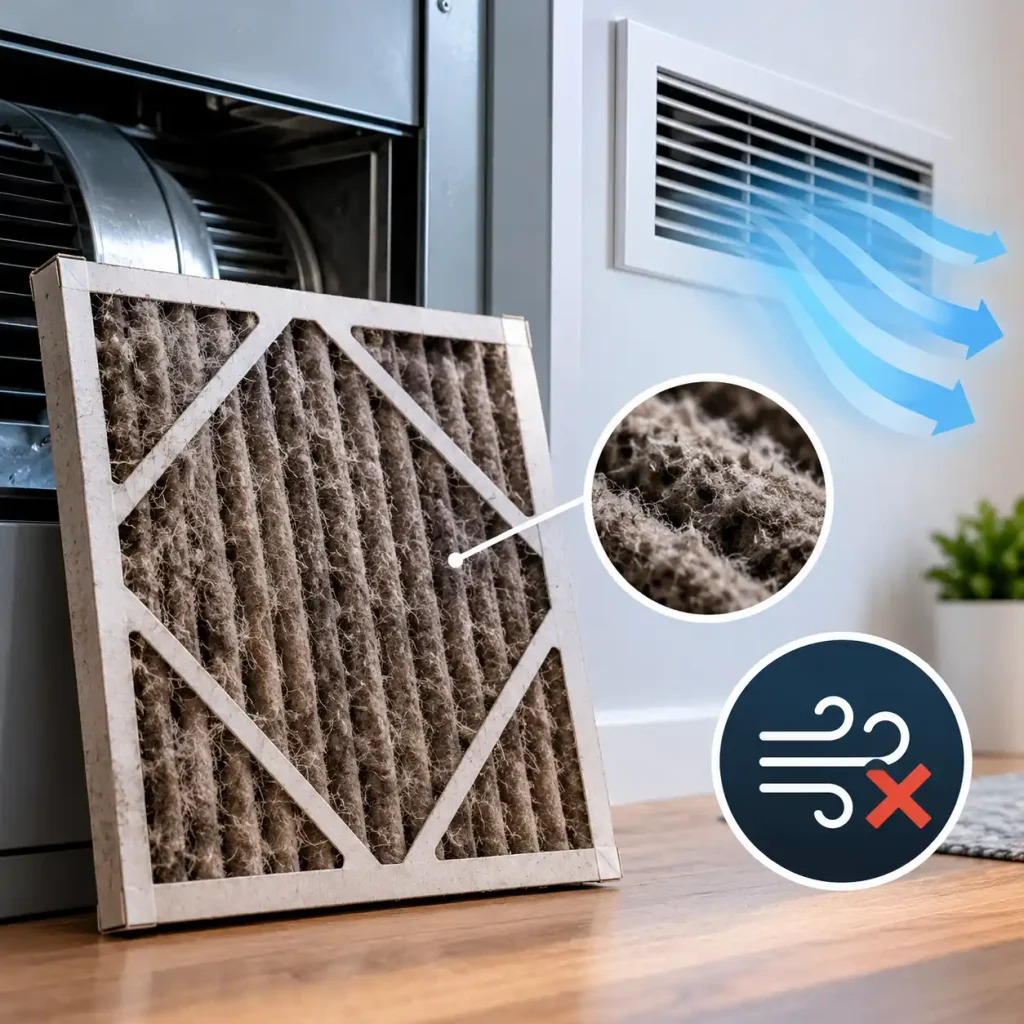
Air filters collect dust and other airborne particles. When a filter becomes clogged, it can restrict airflow and affect the operation of the heating or cooling system.
Restricted airflow may reduce comfort and contribute to longer operating periods or other performance problems, depending on the equipment.
Check the filter regularly and replace or clean it according to the manufacturer’s recommendations. The correct interval depends on the filter type, household conditions, and how frequently the system operates.
Also, keep supply and return vents unobstructed. If airflow remains weak after replacing a dirty filter, the system may have another problem that requires investigation.
Thermostat Settings That Increase Energy Use
Your thermostat controls when the heating or cooling system operates. Temperature settings that are more demanding than necessary can increase energy consumption.
For example, choosing an extremely low cooling temperature during summer does not necessarily make the house cool faster. It may simply cause the air conditioner to run longer while attempting to reach the target.
Similarly, maintaining a very high indoor temperature during winter can increase heating demand.
Consider using a programmable thermostat to adjust temperatures around your routine. You may be able to reduce heating or cooling when the home is unoccupied, provided the settings remain appropriate for household needs and weather conditions.
Check that the thermostat is not affected by direct sunlight, nearby appliances, or drafts that could distort its readings.
Air Leaks and Inadequate Insulation
Your home’s insulation and air sealing affect how much heating and cooling it needs.
During winter, warm air can escape through gaps around windows, doors, attic openings, and other parts of the building. In summer, outdoor heat can enter through poorly insulated walls, roofs, and windows.
These conditions can increase the workload on your HVAC system even when the equipment is functioning properly.
Ductwork Problems
Ductwork carries conditioned air between your HVAC equipment and the rooms in your home. Leaking, disconnected, or poorly insulated ducts can allow some of that air to escape before it reaches its destination.
This can lead to uneven temperatures and unnecessary energy use, particularly when leaks occur in attics, crawlspaces, or other unconditioned areas.
Visible damage in accessible ductwork may indicate a problem, but some leaks are difficult to locate without professional testing.
If the system runs for long periods while certain rooms remain uncomfortable, an HVAC professional can inspect the ducts and determine whether sealing, insulation, or other adjustments are needed.
Equipment Problems and Maintenance Needs
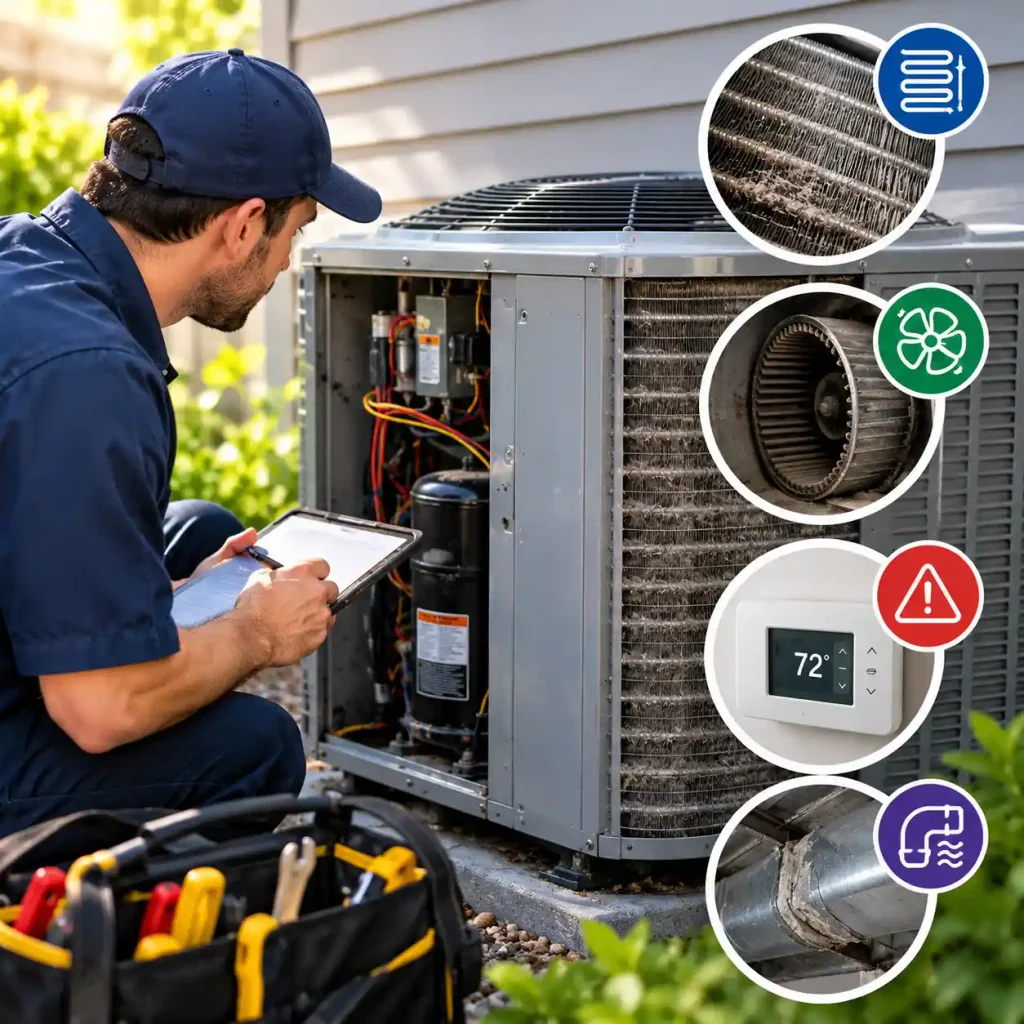
Heating and cooling equipment contains components that can become dirty, worn, or faulty over time. Dirty coils, blower problems, thermostat faults, or other mechanical issues may affect system performance.
A system that runs frequently, produces unusual noises, or struggles to maintain the desired temperature may need inspection.
Routine maintenance can help identify developing problems and keep equipment operating as intended. However, maintenance alone cannot guarantee lower bills, and higher energy consumption may have causes unrelated to the HVAC system.
For additional information about maintenance and energy waste, read this AC repair article.
If you suspect a persistent equipment problem, a qualified technician can inspect the system and determine whether cleaning, adjustment, or repair is appropriate.
When Should You Seek Professional Help?
Begin by reviewing your energy bills, checking thermostat settings, inspecting accessible filters, and ensuring that vents are clear.
If energy consumption remains unusually high, consider scheduling a professional assessment. A technician can evaluate the equipment and investigate potential issues involving airflow, controls, or other components.
You can find more information about professional heating and cooling services through hvac repair.
A professional assessment can help distinguish between an equipment fault and other causes, such as ductwork problems or excessive heat loss through the building envelope.
Practical Ways to Manage Household Energy Use
Several simple habits can help you understand and manage energy consumption:
- Check and replace air filters as recommended.
- Use thermostat settings appropriate for your household.
- Keep supply and return vents unobstructed.
- Reduce drafts around windows and doors.
- Keep outdoor HVAC equipment clear of debris.
- Follow the manufacturer’s maintenance recommendations.
- Investigate unusual changes in heating or cooling performance.
- Compare energy bills across periods with similar weather.
These measures will not eliminate every source of energy waste, but they can help you identify avoidable problems and make informed decisions about your home’s energy use.
Conclusion
Rising energy bills do not necessarily mean your HVAC system is failing. Outdoor temperatures, thermostat settings, dirty filters, ductwork leaks, poor insulation, and equipment problems can all contribute to increased consumption.
Start by checking the factors you can safely assess yourself. If the increase remains unexplained or the system shows signs of poor performance, consider a professional inspection.
Understanding the cause of higher energy use is the first step toward improving household comfort and reducing avoidable energy consumption.







1 Comment
[…] Read also: Why Are Your Energy Bills Rising Even Though Your HVAC System Still Works? […]